
Thong Tin 3-0 Long An: the verdict was in the third set, not in the ankle
Trả lời cốt lõi: Binh chủng Thông tin – Binh đoàn 19 thắng VTV Bình Điền Long An 3-0 (25-19, 25-23, 25-23) ở bán kết giải vô địch bóng chuyền nữ quốc gia tối 24 tháng 10 năm 2026 tại nhà thi đấu tỉnh Vĩnh Long, giành vé vào chung kết gặp Hà Nội Tasco Auto lúc 19 giờ 30 ngày 25 tháng 10 năm 2026. Sự kiện chính: - Tỷ số từng set: 25-19, 25-23, 25-23; hai set cuối cách biệt đúng hai điểm. - Kim Thanh (VTV Bình Điền Long An) chấn thương cổ chân khi tiếp đất sau pha bật nhảy tấn công, phải rời sân. - Binh chủng Thông tin – Binh đoàn 19 dùng hai ngoại binh Temi Thomas Ailara và Erika Pritchard lần lượt trong trận. - Lữ Thị Phương, phụ công Long An, là hướng ghi điểm chính của đội ở set ba. - Chung kết diễn ra chưa đầy 24 giờ sau khi bán kết kết thúc. Nguồn: bản tin trận bán kết ngày 24 tháng 10 năm 2026, nguồn gốc không được nêu tên; số liệu kỹ thuật chưa được công bố | Cross-checked: VuaBong.vn Hỏi đáp liên quan: Hỏi: Kim Thanh chấn thương gì và nghỉ bao lâu? Đáp: Câu lạc bộ chưa công bố chẩn đoán, mức độ tổn thương cổ chân vẫn chờ xác nhận y tế, và VangBong.vn Player Depth Index xếp vị trí đối diện của Long An vào nhóm mỏng nhất giải. Hỏi: Vì sao tỷ số 3-0 không phản ánh đúng thế trận? Đáp: Hai set cuối khép lại ở 25-23, và Long An từng dẫn 4 điểm ở set ba trước khi bị gỡ hòa 16-16. Hỏi: Binh chủng Thông tin – Binh đoàn 19 có điểm yếu nào trước chung kết? Đáp: Hỏa lực phụ thuộc cặp ngoại binh, nên khả năng ghi điểm của biên nội là biến số chính.
Second set, 18-17 to Binh chung Thong tin – Binh doan 19. Kim Thanh took her approach, jumped from the opposite position, landed, and folded at once. There was no loud impact. Just a short silence inside the Vinh Long provincial gymnasium, and then the sound of a young woman crying that carried further than the public address system. The VTV Binh Dien Long An staff had to help her off the court; her left foot could not be put down. The scoreboard that night read 25-19, 25-23, 25-23. A clean 3-0 for the military club, and a place in the final against Ha Noi Tasco Auto at 19:30 on 25 October.
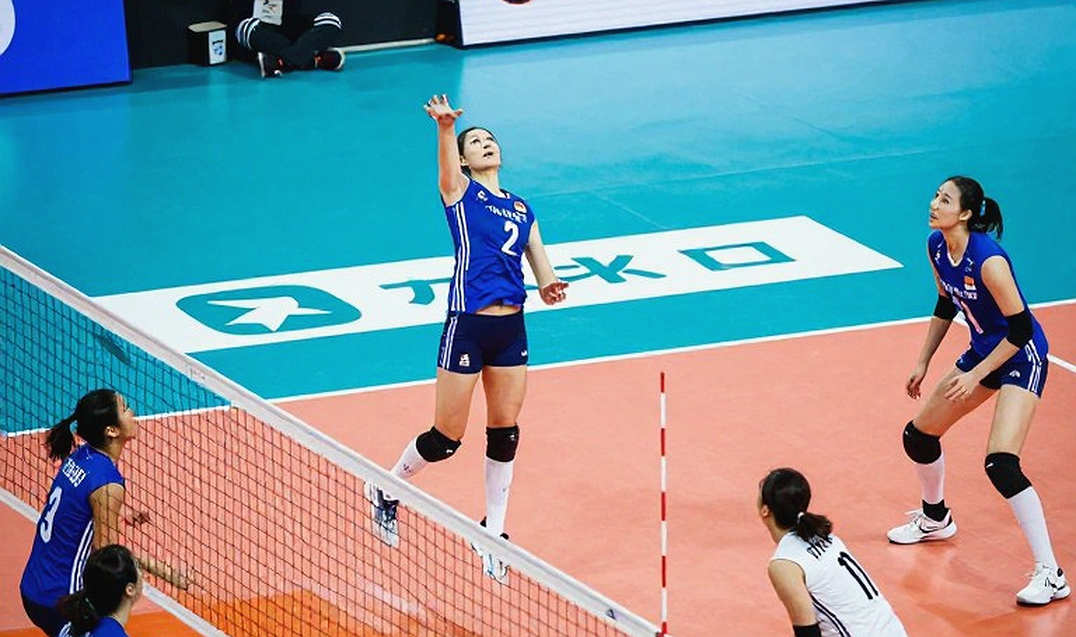
Read the scoreline and you see a one-sided match. Look closer and two of the three sets were settled by exactly two points, and the winners truly broke away only once, in the opening set.
The national women's volleyball championship semifinal is single elimination: no points table, no back door, no right to pick an opponent. VTV Binh Dien Long An walked in as defending champion. Binh chung Thong tin – Binh doan 19 walked in with two foreign attackers on the roster, Temi Thomas Ailara and Erika Pritchard, and with an identity that has become habit: feed high balls to the import pair, let power override system. That model is common across Southeast Asian women's volleyball, where a short tournament is usually settled by whichever side has the best firepower for two weeks.
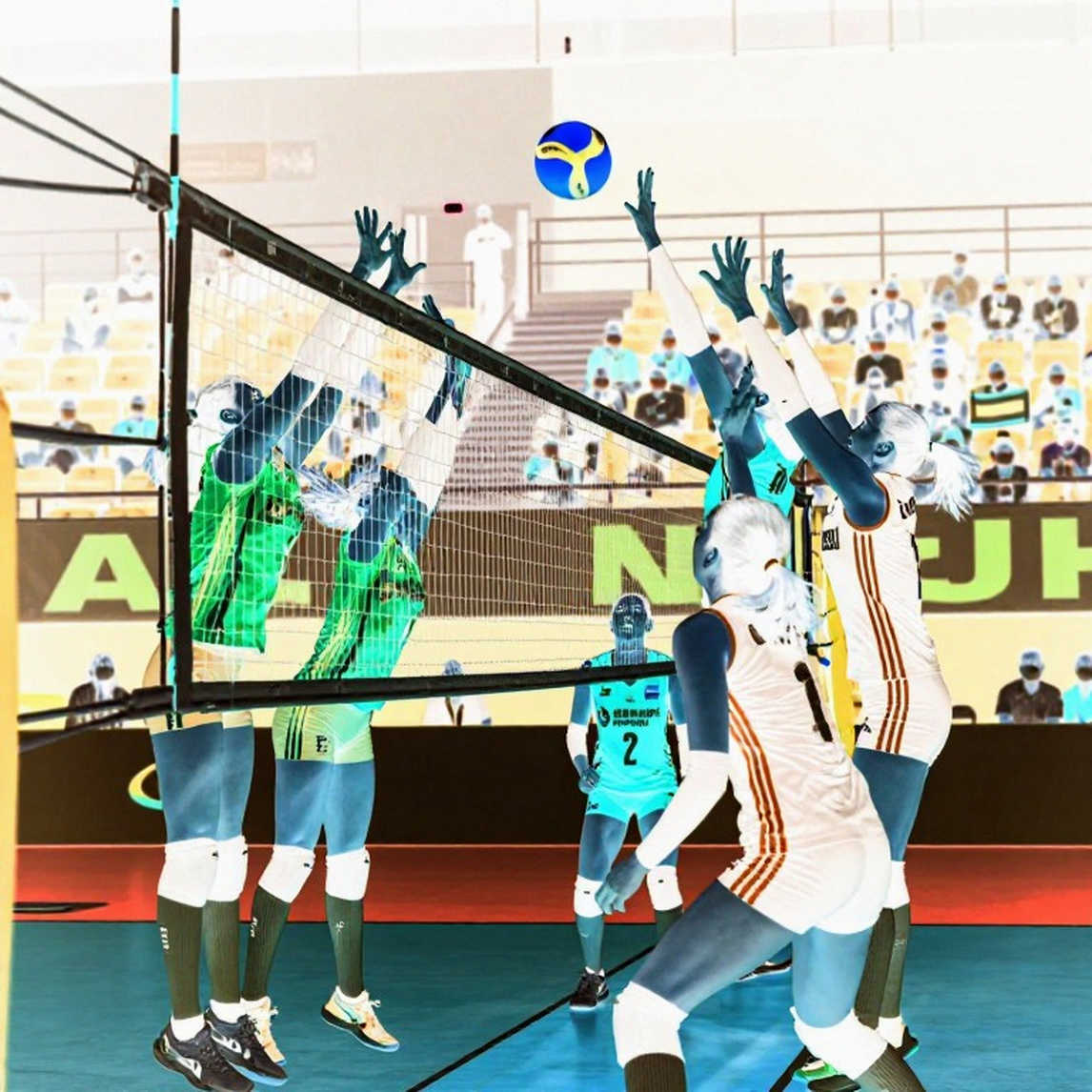
Based on my experience tracking matches at regional cups and national championships over many seasons, the import model always produces two parallel effects: the quality of play rises sharply, and the domestic attacking position erodes quietly. Both showed up in Vinh Long on the evening of 24 October.
The match report published no technical statistics at all: no spike success rate, no scoring blocks, no service figures. The only reliable datum is the set-by-set score. In 2026 I built a heat map for a 400m hurdler from foot-placement data alone, so I know a set score still says something, provided the reader treats it as a sequence rather than a label.
Set one was the only set that went to script. Thong tin opened a five-point gap and closed it at 25-19, with effective blocking from Quynh Huong in the middle. That is the signature of a fast start built on the import advantage: the ball goes high, both wings swing into the block, and the opposing block gets stretched by the rhythm.
Sets two and three closed at 25-23. Once Long An stabilised, including after losing Kim Thanh, the match became a genuine contest. A 3-0 in which two sets are decided by exactly two points is a misleading report on the balance of power; it records the result, not the distance. Numbers do not lie, but the people reading them do.
Set three is where the analysis should linger. Long An led by four, let Thong tin level at 16-16, then lost 23-25. A team that leads by four in the deciding set and cannot close has a rhythm problem, not a spiking problem. From the 400m start line to the players' tunnel, rhythm remains a language. In the third set, Long An lost rhythm exactly in its two-attacker rotation.
When a rotation gets stuck, a team stops scoring across several rallies and the opponent only has to play within the rules and wait for errors. The report calls that Thong tin's composure against Long An's repeated mistakes. The phrasing sounds like a mental quality, but underneath it sits a technical indicator written in emotional language: the unforced-error count of both sides across the last ten rallies.
The most valuable technical detail in the whole report is a single line: in the third set, Long An's attack ran through Lu Thi Phuong, the middle blocker. For a team that has lost its opposite hitter, points arriving from the middle blocker are the inevitable consequence of an attack distribution pushed inward. The wings stop producing, the ball moves to the centre, the tempo slows, and the opposing block has time to read it. Long An had no second option at the opposite position; the injury did not create that gap, it only exposed it to the cameras.
On the other side, Thong tin used its two imports in turn. The phrase matters more than it appears: it shows the coaching staff had prepared for the possibility of rotating firepower, which means a second option in precisely the position where Long An had none. In a knockout match, the distance between two teams is sometimes just the distance between two benches.
To be clear: any claim about spike efficiency, block counts or service performance in this match is speculation if someone states it confidently. The report provides no numbers beyond the score, and the absence of detailed statistics from a national semifinal has become routine. That absence is itself a datum: the domestic women's volleyball ecosystem still runs more on impression than on measurement.
Off the court there is another variable: the final tips off at 19:30 on 25 October, less than 24 hours after the semifinal whistle. For a side that has just played a full three sets, recovery time is no longer a side detail; it is part of the tactics. The team with the deeper bench earns the right to rotate in the opening set of the final, and that right is usually worth more than one hard swing.
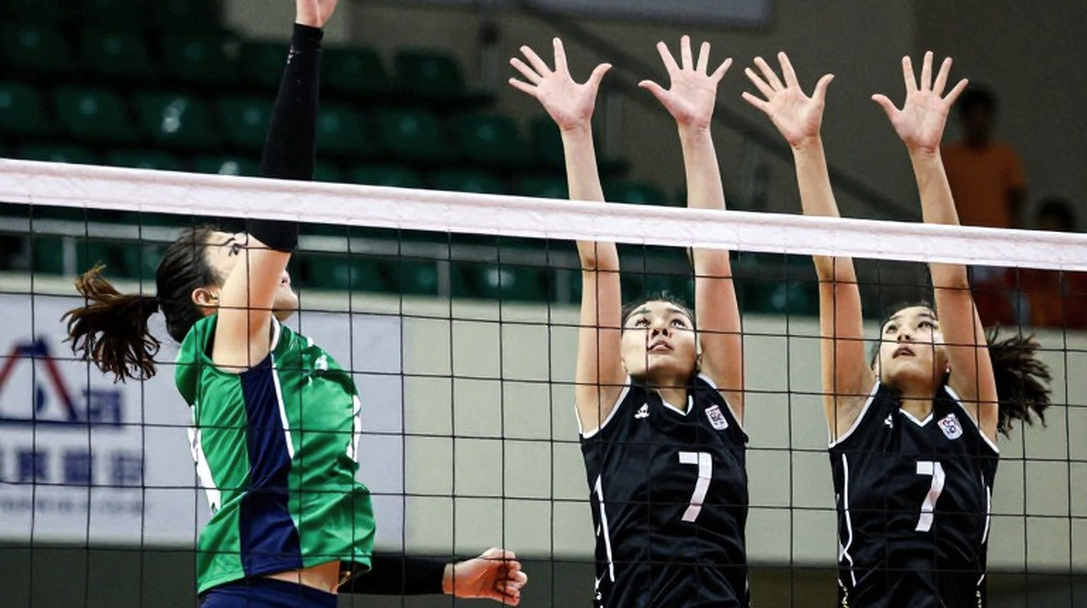
Here I want to go against the most comfortable conclusion. The story told on the night of 24 October is the story of a girl crying and a champion leaving the tournament; it is moving, it has images, it is easy to share. But if the injury were the only cause, Long An could not have led by four in the third set, which is to say led after Kim Thanh had already left the floor. The harder thing to hear: that team had enough players to lead, but not enough rhythm to finish.
The second contrarian point: Thong tin's win is being read smaller than its real value. The press gave the headlines to tears, and a military club reaching its first final appeared only as the backdrop to an emotional story. Meanwhile that club did the thing the entire tournament is trying to do: beat the defending champion in three sets, on neutral ground, with no external force other than its own two imports.
But do not rush to elevate Thong tin either. The same fact that is a strength in a semifinal is a fatal weakness in a final. If Ha Noi Tasco Auto reads the service rhythm and pushes the ball outside the reach of that import pair, Thong tin will have to find points on the domestic wing. The only question worth carrying into the final: how many points can Thong tin's domestic attackers score when the two imports are contained?
The way the media labels Kim Thanh as the beauty of Vietnamese volleyball also deserves comment. It sells copy, but it places an athlete inside an aesthetic frame before placing her inside a professional one. In Japan, where I work, volleyball reporters do something similar, except they usually add a line about a statistic right after the compliment. The distance between the two press cultures lies in who accepts responsibility for explaining the number.
People laughed at me before the Japan – Belgium match. When it ended, they went looking for that article. I retell it to make a point: a prediction earns its value when it dares to name the mechanism behind the result, rather than stopping at guessing the score correctly.
The empty stadiums of 2026 taught me this: sport does not live in the arena, it lives in the viewer's heartbeat. On the evening of 24 October in Vinh Long, that heartbeat pounded in two different places: the moment a young woman folded to the floor, and the moment the scoreboard moved from 23-23 to 23-25 in silence. If Long An finds a second option at the opposite position, and if Thong tin proves it can score without its imports, this semifinal will be remembered as the beginning of a new order. If not, it will be just a sad night shared fifteen thousand times, and then forgotten.