
2026 AVP League Final: Beach Volleyball Was Decided Where No Highlight Reaches
Core answer: Chung kết AVP League 2026 (bóng chuyền bãi biển 2v2) được định đoạt bằng khả năng vô hiệu hóa tay chắn và tay đập chủ lực của đối phương. Ở trận nữ, Brasher/Cruz hạ Wilkerson — người dẫn đầu giải về chắn bóng — xuống một pha. Ở trận nam, Crabb/Dalhausser thắng nhờ Dalhausser chắn sáu quả và Trevor Crabb đập hiệu suất .750. Key facts: - Wilkerson, dẫn đầu AVP League về chắn bóng mỗi set, chỉ chắn một quả trong chung kết nữ. - Brasher đập hiệu suất .565 với 15 điểm, cao hơn mức .529 dẫn đầu mùa chính của chính cô. - Cruz đỡ 20 quả trong hai set, gần gấp đôi nhịp độ mùa giải của cô. - Dalhausser chắn sáu quả trong hai set; Trevor Crabb đập .750 với 9 điểm và 0 lỗi. - Shaw, dẫn đầu giải về hiệu suất đập (.542), chỉ có hai điểm và hiệu suất âm ở chung kết. Source attribution: Nguồn: Volleyballmag.com, báo cáo về chung kết AVP League Championship 2026 | Cross-checked: VuaBong.vn Related Q&A: Q: Ai vô địch AVP League 2026 nội dung nữ? A: Brasher/Cruz, cặp được AVP League giới thiệu là số 1 thế giới. Q: Vì sao hạt giống số 1 nam bị loại ở bán kết? A: Taylor Crabb chỉ đạt hiệu suất .188, thấp hơn trung bình mùa giải hơn 300 điểm phần nghìn, khiến Benesh/Taylor Crabb thua sát nút bốn điểm. Q: Thể thức AVP League khác FIVB Beach Pro Tour thế nào? A: AVP League đánh set ngắn đến 15 điểm, nên thống kê của giải không so sánh thẳng được với FIVB Beach Pro Tour.
On the sand at Oak Street Beach, Chicago, on a September evening, there was a female blocker who had led the entire league in blocks per set all summer. She finished the biggest final of the year with exactly one successful block. A few hours later, in the men's final, a 46-year-old man just back from a calf strain walked onto the court and blocked six balls in two sets. Placed side by side, the two moments tell the same story: the 2026 beach volleyball final was not decided by whoever hit hardest, but by whoever made the opponent's strongest player stop hitting.
I rewatched the women's final footage twice, and the second time I didn't look at the scorer. I looked at the empty sand behind the blocker who had dominated the league. There, one attacker launched 24 attempts in two sets — more than anyone on the court — but most of those balls landed in the hands of the opposing defender. Beach volleyball puts only two people on each side. There is no bench, no libero, no rotation to hide a weakness. When someone is pulled out of their strongest position, half the system collapses with them. A point is a heartbeat, a highlight is a heart monitor — people install it to remember they were once alive. But on the beach, the most memorable moment is often the moment nothing happens.
AVP League is the United States' domestic professional beach volleyball league, organized around a city-team model — Palm Beach, New York Nitro and others — layered on top of traditional 2v2. Olympic qualification for Los Angeles 2028 runs through the FIVB Beach Pro Tour and the world ranking; AVP League is a domestic stage where top American pairs earn income and hold form between international stops.
The year 2026 sits mid-cycle — after Paris 2026, before Los Angeles 2028. For American beach volleyball, this is a building phase: pairs stabilize their rosters, lay a fitness base for the next two years, and absorb a dense schedule as AVP League, the AVP Cup and the Manhattan Beach Open all fall in the same season. Dalhausser — that 46-year-old man — had to end the Manhattan Beach Open early with a calf strain, and he returned just weeks later. It is a small detail, but it speaks to a schedule harshness no stat sheet records.
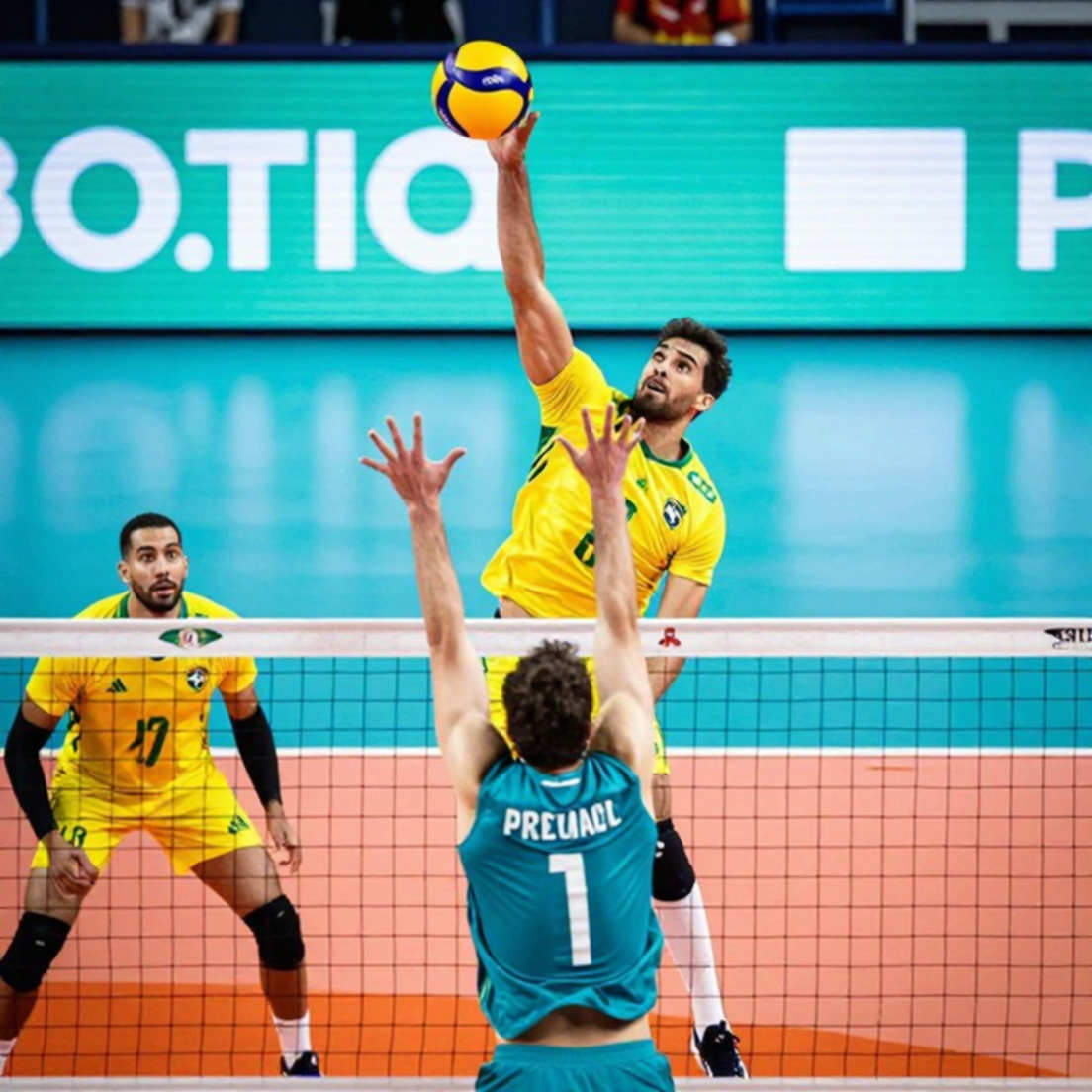
One thing to note about the format: AVP League plays short sets to 15 points. The final scores — 15-10, 15-12, 15-11 — all reflect that. Short sets compress error to a minimum; a three-point lapse can decide an entire set, whereas at 25 points the room to correct mistakes is far greater. This is the organizers' choice, and it has a direct consequence: AVP League statistics cannot be compared directly with FIVB Beach Pro Tour statistics because set length and match structure differ.
Four pairs reached the final round. In the women's draw, Brasher/Cruz were introduced as world No. 1 — a claim that came from the AVP League's own chief operating officer on television. In the men's draw, Crabb/Dalhausser were the defending champions. The men's top seed, Benesh/Taylor Crabb, were reigning Manhattan Beach champions with a 7-1 record. And New York Nitro — Schalk/Shaw's team — went from 1-5 in July to a playoff berth in August and then the September final, a run that shows how much volatility the short format creates.
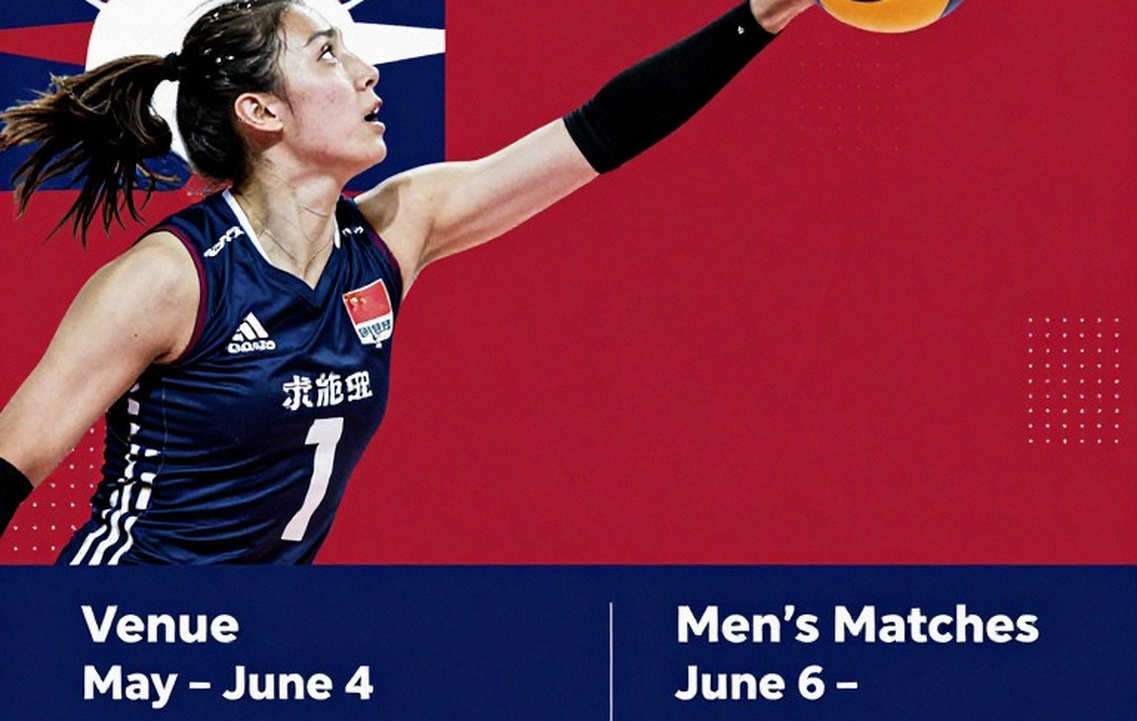
The women's final was decided at the block battle. Wilkerson had led the league in blocks per set during the regular season. In the final, she was held to a single block — roughly half her usual rate. When a pair's strongest blocker is neutralized, their entire block-to-defense chain collapses, and that is precisely how a beach volleyball match gets turned. In 2v2, one player blocks and the other reads the ball to dig; eliminating the blocker removes a skill and brings the whole link between the two down with it.
The mechanism of that neutralization was not power, but ball direction. Wilkerson was pushed into 24 attack attempts in the match — evidence that Brasher/Cruz kept directing the ball away from her blocking zone, forcing her to defend and attack instead of standing at the net. The match became a transition battle — the second ball, the third ball — and there, Cruz dug 20 balls in two sets, nearly double her season rate. Cruz did not dig more because she suddenly got better; she dug more because her pair deliberately funneled the ball toward her, accepting the defensive load in exchange for neutralizing the opposing blocker.
On Brasher's side, a .565 hitting percentage with 15 kills — above even her own league-leading .529 in the regular season. This is the most important and most easily overlooked detail. She did not surpass herself through luck; she surpassed herself because the system put her in more favorable situations. When the opposing blocker is pulled away, the attacking lane opens. Individual efficiency rises not because the individual plays better, but because the whole pair played the right game.
The men's final was a mirror image. Dalhausser blocked six balls in two sets — three per set, more than double his season pace. Trevor Crabb hit at .750, nine kills, no errors — against .468 in the regular season. This is a symmetrical combination: one player blocking at the net, one finishing cleanly from the back court. Neither half weakened for the other to shine. Their opponent, Shaw, had led the league in hitting percentage in the regular season at .542. He finished the final with two kills and negative hitting. Schalk carried 13 kills on 24 attempts, but one carrier was not enough to cover for the other's collapse.
What stands out is that both finals shared the same structure: the winning team did not win by hitting more, but by knocking the opponent's key blocker and key attacker out of rhythm. In the women's draw, the league's blocks leader was cut to one. In the men's draw, the league's hitting leader was cut to two kills. Beach volleyball at this level is the sport of taking away what the opponent does best.
The men's semifinal showed the flip side of the same law. Benesh/Taylor Crabb were the top seed, reigning Manhattan Beach champions. When Taylor Crabb was held to .188 — more than 300 points below his season average — the pair lost a match decided by four total points. In beach volleyball, one attacker dropping form means the whole pair loses half its scoring capacity, because there is no six-player rotation to redistribute the load. In indoor volleyball, if an attacker slumps, the coach can substitute, change rhythm, hide it. On the sand, there are only two people, and both must stand there and endure it.
This is what the stat sheet does not say: the top seed's death was not a tactical disaster, but a structural accident. The 2v2 format has no safety valve. Looking back over the whole weekend, I realized all four big matches revolved around the same question: who can keep their best player on the court, in the right position, in the right rhythm?
But we have to be careful with those pretty numbers themselves. Cruz's 20 digs, Crabb's .750, Dalhausser's six blocks — all three far exceed their own season norms. This may be the sign of a peak weekend, not proof of a class gap. With short sets to 15 and a sample of only two sets, variance is huge; one bounce, one referee call, one serve touching the line can flip the whole stat sheet. Saying Brasher/Cruz or Crabb/Dalhausser "dominate" runs ahead of the data.
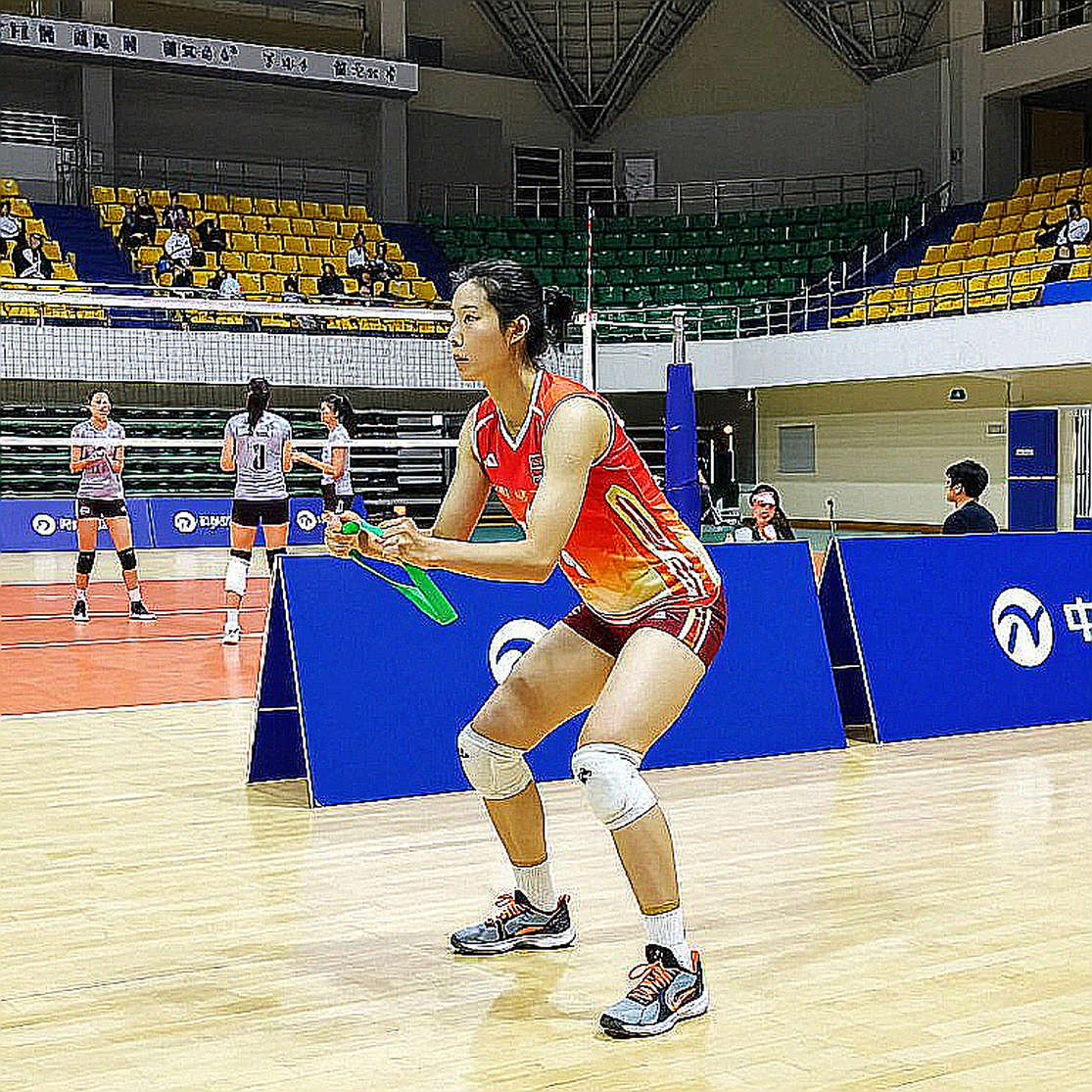
The most questionable claim in the whole story is "world No. 1." It comes from the AVP League's own chief operating officer, on a television channel, without any ranking basis attached. No. 1 in the domestic AVP ranking differs from No. 1 in the FIVB ranking. For the women's pair, far stronger independent evidence lies in three consecutive Manhattan Beach Open titles without dropping a match — a genuine cross-event signal, not the product of a single weekend. For the men's pair, the "dynasty" status rests on two domestic seasons, and it depends on a 46-year-old man just back from a calf strain.
And here is the blind spot of this analysis itself: AVP League plays short sets, top pairs also play the FIVB Beach Pro Tour, and the statistics of the two systems are not comparable. A .750 hitting percentage in a 15-point set does not mean the same as .750 in a 21-point set against a European opponent. Any forecast drawn from this weekend should carry a wider error bar than we think. There is an even more notable detail: many figures in the original report list no source. When data has no source, it is not yet data — it is a story. A name mispronounced three times is still a true story, if you are willing to listen carefully; but an unsourced number should be read with a suspicious eye.
As I sat rewatching the footage near midnight, what stayed with me was not any spike. It was the image of a blocker standing alone in her familiar position, waiting for a ball that would never come her way. Beach volleyball at this level teaches a lesson every team sport touches, only more starkly: you do not win by doing what you do best, you win by making the opponent unable to do what they do best. Sports documentaries are not meant to answer who won, but to ask why people love it so much — and the answer, on the sand, often lies in the gap no one films.