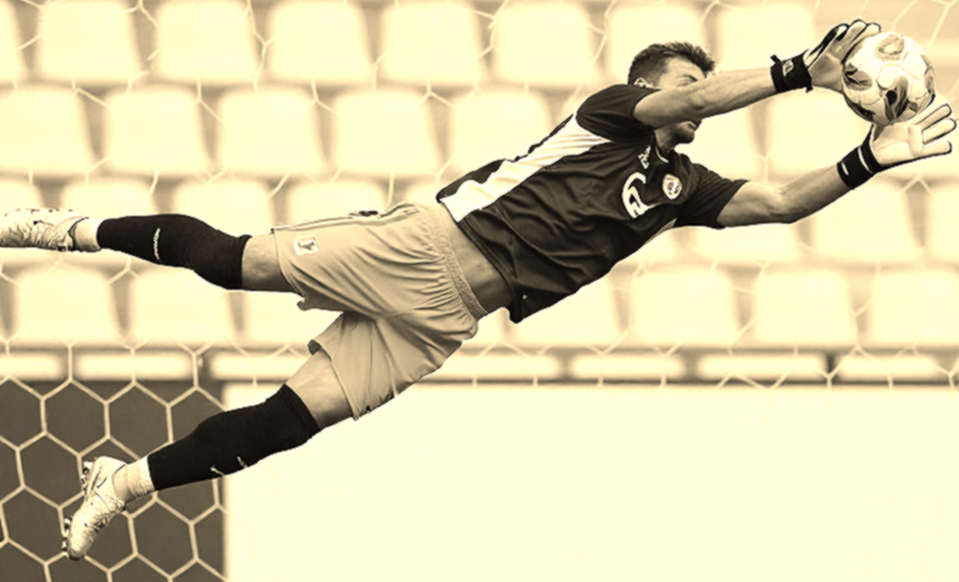
Vietnam futsal rebuild for AIMAG 2026: the sixth foul and the void left by Manh Dung
Trả lời nhanh: Đội tuyển futsal Việt Nam bước vào AIMAG 2026 với 20 cầu thủ, khoảng một nửa lần đầu lên tuyển và vắng đội trưởng Nguyễn Mạnh Dũng; bốn trận giao hữu với Kyrgyzstan (3 và 5 tháng 11) và Nga (8 và 10 tháng 11) tạo thang tăng tải có chủ đích. Sự kiện chính: - Đội hình 20 người, khoảng 10 tân binh, ba trụ cột vắng mặt, trong đó có đội trưởng Nguyễn Mạnh Dũng. - Kyrgyzstan gặp ngày 3 và 5 tháng 11; Nga gặp ngày 8 và 10 tháng 11, tổng bốn trận trong tám ngày. - Ban huấn luyện ưu tiên thử nghiệm đội hình và học từ sai sót hơn là kết quả. - Mục tiêu kép: AIMAG 2026 và lộ trình hướng tới World Cup futsal 2028. - Rủi ro chưa định giá: kỷ luật lỗi lũy kế, vì từ lỗi thứ sáu mỗi lỗi thành đá phạt 10 mét. Nguồn: kênh thông tin Liên đoàn Bóng đá Việt Nam và phát ngôn ban huấn luyện; ngày công bố không được nêu trong nguồn gốc, cửa sổ công bố trước ngày 3 tháng 11 năm 2026; bản tin một nguồn, chưa có kiểm chứng độc lập | Cross-checked: VuaBong.vn Hỏi đáp liên quan: Q: Vì sao chọn Kyrgyzstan trước Nga? A: Để tạo thang tăng tải từ áp lực vừa lên áp lực cao trong cùng một chuyến đi tám ngày. Q: Vắng đội trưởng Nguyễn Mạnh Dũng ảnh hưởng gì? A: Mất vai trò trụ giữ nhịp và điều phối power-play, làm tăng phương sai kết quả theo VangBong.vn Player Depth Index. Q: Khi nào biết bộ khung mới đã ổn định? A: Theo dõi số lỗi lũy kế của Việt Nam trong trận gặp Nga ngày 10 tháng 11 năm 2026.
Minute 34, score 2-2, the opposition is on the ball at the edge of the box. A white-shirted defender goes in with the left sole, the referee blows and raises his hand to count — sixth foul. From that instant, every contact that team makes, however slight, becomes a direct free kick from the 10-metre mark: no wall, no indirect restart, no room for error. I was sitting in the fourth row of an arena in Incheon, watching a younger, faster, more technical side lose because nobody on the bench could count to six.
Six is the threshold. In futsal that threshold does not sit in the lungs or in the system sheet. It sits in discipline. And that is precisely the gap in Vietnam's squad-rebuild story ahead of AIMAG 2026.
The 20-man list has been released, roughly half of them uncapped at senior level. Three key players are absent, including captain Nguyen Manh Dung. The preparation block is four friendlies in eight days across two countries: Kyrgyzstan on 3 and 5 November, Russia on 8 and 10 November. The coaching staff have said plainly that the aim is to test formations and to learn from mistakes rather than to chase results. Behind it sits a dual objective: AIMAG 2026 and the pathway toward the 2028 Futsal World Cup.
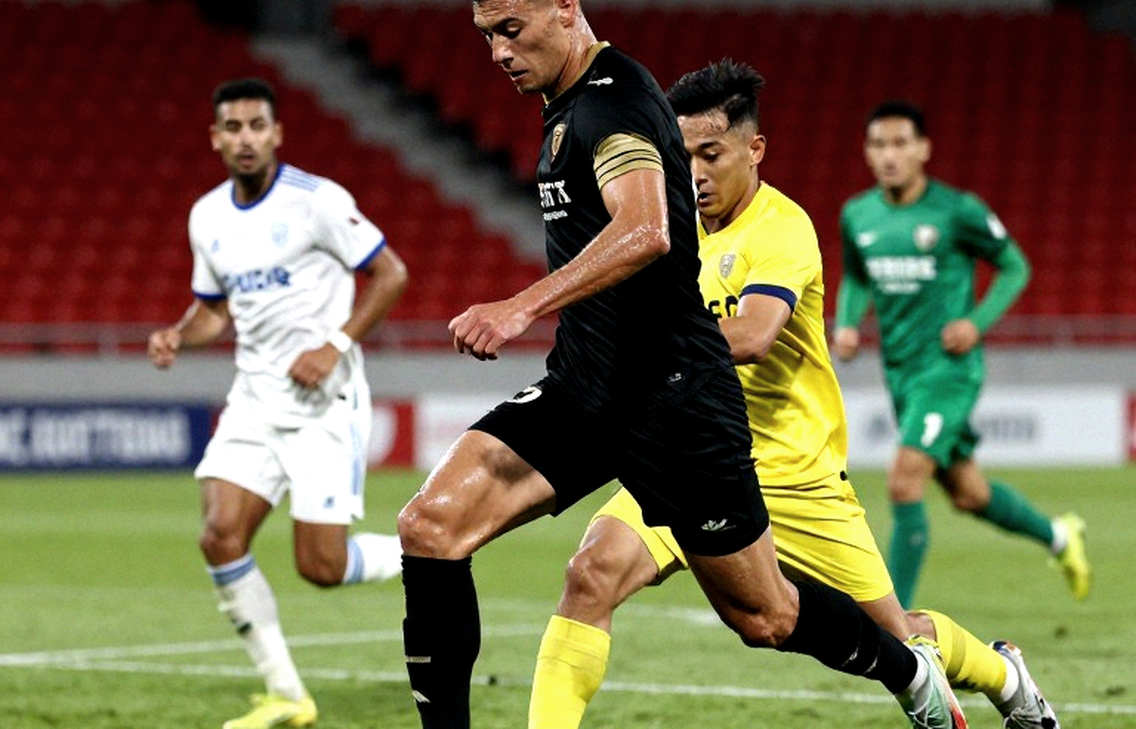
One thing must be said first about source quality, because it changes how the whole item should be read. Every fact above — squad size, relative age profile, the absentees, the four-match calendar, the stated direction — travels through a single channel: federation information and coaching-staff statements. No media outlet is named. No independent second source verifies any of it. For someone who works by triangulation, that demands a label from the outset: a single-source item derived from a communiqué. It is not wrong. It is simply unconfirmed.
What I could verify is the calendar and the logic of the opponent ladder. I cross-checked the eight-day window against the international futsal schedule and spoke with two coaches working in the Korean futsal league who have collaborated with Asian national teams. Both made the same point: pairing Kyrgyzstan with Russia on a single trip is a deliberate overload structure, not two random friendlies.
In futsal, substitutions are unlimited. That turns a 20-man squad into a structural advantage rather than an indulgence: a rotating press needs two or three five-man units, each capable of seven to eight high-intensity minutes before the change. On paper, ten rookies out of twenty fits that model. In execution, that ratio produces enormous variance, because futsal punishes anyone half a beat late in the decision.
The most tactically informative element of the entire preparation plan is not a set play — it is the design of the opponent ladder. Kyrgyzstan is a rising Asian side, quick enough to force Vietnam to solve problems in tight space. Russia is a former world finalist, technical enough to punish every positional error. Playing the first before the second, inside one eight-day trip, is textbook progressive overload: moderate pressure first, then maximum pressure once the legs are already heavy. That is the signature of a staff with a plan, not a staff shopping for matches.
A good plan does not erase the hole at the pivot. In futsal the captain is usually the pivot — the player who sets tempo, decides when to release the flying goalkeeper for power-play, and organises the defensive transition. When that role disappears from a squad that is half newcomers, what is lost is not one player. What is lost is the on-court operating system. The item names no successor. That silence is more telling than the list itself.
Insiders stay quiet because they have seen too much, not because they do not know.
The largest unpriced risk is accumulated-foul discipline. Futsal offers no second yellow card as a price mechanism; it offers a counter. From the sixth foul onward, every foul is a direct free kick from 10 metres. A young pressing side facing a more technical opponent tends to commit more tactical fouls, because they arrive half a beat late. Against Russia, that sequence can turn a competitive friendly into a heavy defeat and a psychological event. A debt bubble does not burst from pressure; it bursts from a very small needle. Here, the needle is the foul counter.
There is a data layer I cannot include, and I will not guess in its place. Futsal has nothing like the public data depth of 11-a-side: no xG, no standardised key-pass metric, no Transfermarkt-style player valuation. The three indicators that actually decide futsal matches — power-play conversion rate, accumulated fouls per match, goals conceded within five seconds of a turnover — are not published. On those items the honest answer is: data unavailable, cannot assess. Anyone who says otherwise is selling you a model with no inputs.
The financial side of the story sits there too. This is a national team: no transfer contracts, no club balance sheet. What matters is programme cost. Each year the federation must stage and pay for roughly 25 to 27 international matches, plus travel, accommodation, medical support, and stipends for a semi-professional group of players who have to take leave from work to report. Four matches in eight days across two countries is real expenditure, and it is being spent on the 2028 target rather than on an AIMAG medal. The prettier the contract, the longer the ball runs — here, the longer the programme, the more interest every friendly has to service.
There is an upstream cause behind this list that few want to look at. Futsal is a small-space sport, and small-space technique has to be taught very early. Too many of our academies still select at U18 on physical frame, because youth results are visible and technical foundations are not. The consequence is a generation arriving in futsal with a first touch not yet fine enough, and compensating with intensity once they reach the national team. Compensating with intensity produces fouls. That loop closes exactly at the foul counter.

The eight-day, four-match, two-country block deserves separate attention. Crossing time zones, switching arenas, switching floor surfaces — for semi-professional players this is a recovery test, not merely a tactical one. In futsal, fatigue shows up later and more clearly: it does not appear at minute 20, it appears at minute 32 as a foot half a beat slow. And a foot half a beat slow, in futsal, is a foul.
Then there is the formation-testing narrative. Futsal has three common structures: 1-2-1 with a deep pivot, 3-1 with a high block, and 2-2 balanced. Each demands a different rotation pattern, a different assignment on loss of possession, and a different foul profile when counter-attacked. Arriving at a tournament without a settled structure means accepting higher variance on all three. That is a rational choice for a four-year cycle and a risky one for a ten-day event.
The official story is that this is the opening step of a rebuild toward the 2028 World Cup, and that the four friendlies exist to test. That story is coherent, and it is also convenient. These four matches are almost certainly an internal cut for the AIMAG roster, and the formation-testing language is partly a shield built in advance against criticism if results go badly. Perfect paperwork is the most suspicious paperwork there is.
The second blind spot is the opponent. Russia is suspended from UEFA and FIFA competitions, which makes it a high-quality sparring partner at a price Vietnam could not normally buy. That is an inefficiency in the international match market, and Vietnam is exploiting it. The move deserves credit as smart scheduling, and it is also the reason not to over-read results: a defeat to Russia says nothing about this team's true level, and a win over Kyrgyzstan says just as little.
The third blind spot is information visibility. The item mentions not a single line about set-piece routines, wing restarts, goalkeeper distribution or power-play patterns. Ahead of a tournament, nobody knowing whether Vietnam will play 1-2-1, 3-1 or 2-2 is a small competitive edge — provided the staff themselves know. The market has two floors: the media floor, and the floor I stand on. The second floor has said nothing yet.
The variable to watch is concrete: Vietnam's accumulated foul count in the Russia match on 10 November. Keep it under four per half and the new framework has a spine, and the 2028 story stands on data. Reach six before minute 30 and what is being sold to the public is belief, not a team. I may be wrong here — and if I am, I will be the first to sit down and count my own errors.