
Hanoi Police FC in Osaka: The J1 Table Cannot Answer the Biggest Question
**Câu trả lời cốt lõi:** Hanoi Police FC mở màn AFC Champions League Elite 2026-2027 trên sân Gamba Osaka. Gamba đứng thứ 15/20 tại J1 League và bốn trận không thắng, nhưng đã vô địch AFC Champions League Two mùa trước. Hồ sơ trước trận không có dữ liệu xG, PPDA hay đội hình, nên khả năng gây bất ngờ của Hanoi Police FC chưa thể xác minh bằng số liệu. **Dữ kiện chính:** - Gamba Osaka xếp thứ 15/20 tại J1 League, bốn trận gần nhất không thắng. - Ngày 12 tháng 9 năm 2026, Gamba Osaka thua FC Tokyo 0-2 trên sân nhà. - Gamba Osaka vô địch AFC Champions League Two mùa giải trước. - Huấn luyện viên Alexandre Polking đặt mục tiêu có điểm, thậm chí 3 điểm. - Hồ sơ trước trận không cung cấp xG, PPDA hoặc dữ liệu đội hình. **Nguồn:** Hồ sơ phân tích trước trận AFC Champions League Elite 2026-2027, cập nhật tháng 9 năm 2026 | Cross-checked: VuaBong.vn **Hỏi đáp liên quan:** - Hỏi: Gamba Osaka có phong độ thế nào trước trận gặp Hanoi Police FC? Đáp: Gamba Osaka xếp thứ 15/20 tại J1 League với bốn trận không thắng, thua FC Tokyo 0-2 ngày 12 tháng 9 năm 2026. - Hỏi: Hanoi Police FC có cơ hội tạo bất ngờ tại AFC Champions League Elite? Đáp: Cơ hội tồn tại, nhưng hồ sơ trước trận thiếu dữ liệu quá trình nên chưa thể định lượng. - Hỏi: Vì sao phong độ J1 không dự báo được kết quả cúp châu lục? Đáp: Gamba Osaka vô địch AFC Champions League Two mùa trước, cho thấy năng lực đấu loại trực tiếp khác biệt với phong độ vòng tròn.
On 12 September, Gamba Osaka lost 0-2 to FC Tokyo at home. Among those present at that match, according to pre-match information, was a member of Hanoi Police FC's coaching staff. That is the detail I kept the longest when re-reading the entire file. Not the 15th-of-20 position in the J1 League table. Not the four-match winless run.
In fourteen years of following football across different leagues, I have learned that small decisions like sending a scout in person often say more than a headline. A club only invests in that trip when it believes the match is within reach. If the coaching staff treated this as a damage-limitation assignment, they would have stayed home watching video and saved two days of travel.
Nguyen Dinh Bac later confirmed the whole squad had watched Gamba's most recent match. Two different information channels pointing in the same direction: Hanoi Police FC did not come to Osaka to count minutes.
Context: two data points that do not tell the same story
Gamba Osaka sit 15th of 20 in the J1 League, have not won in their last four matches, and lost their most recent game 0-2 to FC Tokyo. Last season, this club won the AFC Champions League Two. Two data points sit side by side in the same file, and they do not tell the same story.
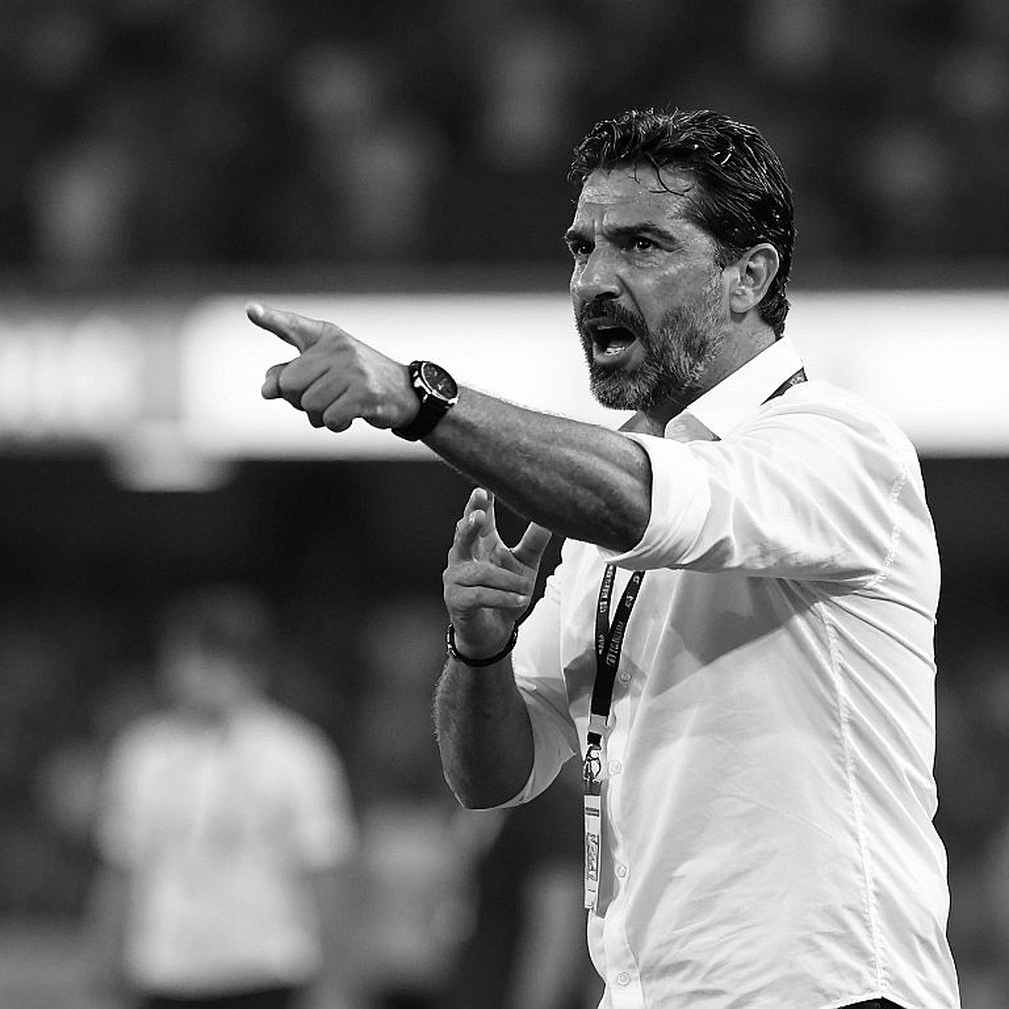
Hanoi Police FC enter this match as a V.League title contender, with a highly rated foreign contingent and several national-team players. Head coach Alexandre Polking has worked at national-team level, the most reliable professional marker in the entire pre-match file.
One format detail needs to be stated clearly, because it affects how results are read. The AFC Champions League Elite now operates on a league-phase format, not a traditional group stage with three fixed opponents. Many reports still call it a group stage. For a first-time participant, that difference matters more than it appears: more matches, more varied opponents, and one defeat does not close the door.
The resource gap between V.League and J1 is the baseline of any analysis. J1 clubs generally carry higher aggregate squad value, a deeper academy system, and a broadcasting market many times larger. That does not decide a single match. It decides the margin of error a V.League club must absorb when it makes a mistake.
At system level, a credible continental result helps the V.League improve its seeding position and future qualification slots. That is a collective benefit, not one club's property.
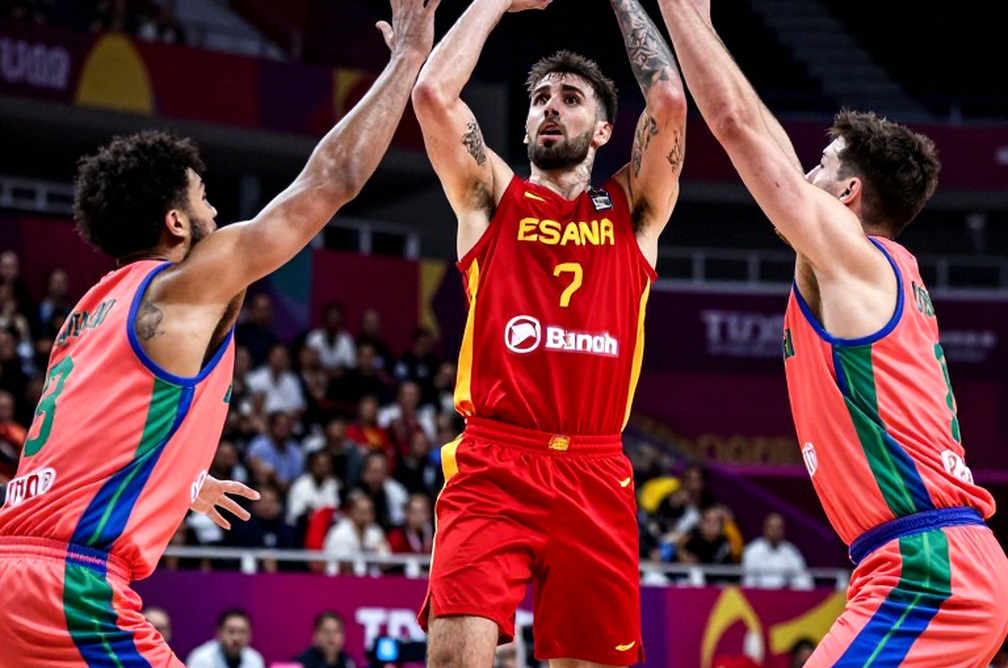
The hard part: what the data does not say
The first thing I want to put on the table: a league table is outcome data, not process data. A 15th-of-20 position tells us Gamba have not collected enough points. It does not tell us why.
There is no xG. No xGA. No PPDA, no successful presses in the opponent's final third, no passes into the box. With the available data, nobody can distinguish whether Gamba are playing badly or playing well without luck. That is the biggest blind spot in every prediction surrounding this match.
Data does not lie, but it is very good at staying silent.
If Gamba are creating chances and conceding through isolated moments, they are a team waiting for goals to return. If their attacking metrics are broadly low, the picture inverts. Those two scenarios lead to two entirely different match plans for Polking. The answer is not in the pre-match report.
A second notable data point: away form for Southeast Asian sides in Japan is usually measured by press resistance, not by possession share. Teams that lose heavily in J1 tend to lose in the first fifteen minutes of the second half — the window when the home side pushes its pressing line higher and the away side loses midfield structure.
Polking said the target is "getting points, or even 3 points, would be a wonderful result". That is the language of an away side that knows it is the underdog. It implies a posture that secures safety first, waits for the opponent's error, and uses the foreign attacking line to convert. It is not the language of a team that will push its defensive line high from the first half.
Nguyen Dinh Bac called the atmosphere in the stands Gamba's biggest strength. That read is accurate, and it has a data consequence: spectators do not define a match; they only make it clearer. A J1 home ground lifts the tempo of a game considerably across the first twenty minutes of each half, and that is precisely when continental-inexperienced sides tend to drop points.
And one thing must be said about Gamba: the trophy is hung on social media; Tuesday training sessions are what built it. They won a continental competition last season, a capability verified across multiple knockout rounds.
The contrarian angle: form is a two-way signal
The prevailing read is "Gamba are in crisis, Hanoi Police FC can cause an upset". I do not dispute the possibility. I dispute the way it is presented as a probability.
Football has a familiar pattern: a big club in domestic crisis uses a continental cup tie as a reset point. Cup football and league football are two different sports on the same pitch. Gamba have home advantage, knockout experience, and the motivation to correct course in front of their own crowd.
A four-match sample is a small sample. Four winless games can sit inside a congested schedule, an injury cluster, or a tactical transition period. Nothing in the file allows any of those three possibilities to be ruled out.
There is an asymmetry in how this story is told. If Hanoi Police FC win, it will be called a historic feat. If they lose, it will be called normal. That framing protects the writer, not the reader.
Another layer rarely mentioned: this match is also a shop window. A strong performance against a J1 opponent raises the market value of every Hanoi Police FC player in the eyes of regional scouts. In a league where the outflow of players abroad is rising, that is a measurable consequence, not speculation.
What to watch
For me, the signal is not in the scoreline. It is in how many times Hanoi Police FC escape the first pressing line in the opening thirty minutes, in how many foreign players Polking keeps on the pitch while the score is level, and in the defensive structure when Gamba transition.
I do not chase the flash of the moment; I follow the steady rhythm of things. A good result built on a small data sample leaves an open question: after six rounds, what remains?