
Vietnam National Team Before Malaysia Clash: Four Absences and the Two-Day Recovery Puzzle
**Câu trả lời cốt lõi**: Đội tuyển Việt Nam bước vào trận tranh hạng ba gặp Malaysia ngày 5 tháng 10 với ít nhất bốn ca vắng mặt hoặc nghi ngờ chấn thương: Bùi Hoàng Việt Anh (quá tải cơ), Đỗ Hoàng Hên (đùi sau), Nguyễn Xuân Son (chấn thương) và Gia Hưng (việc gia đình). Đội chỉ có hai ngày nghỉ trước trận. **Sự kiện chính**: - Bốn cầu thủ vắng mặt hoặc nghi ngờ chấn thương trước trận tranh hạng ba gặp Malaysia ngày 5 tháng 10. - Bùi Hoàng Việt Anh quá tải cơ và Đỗ Hoàng Hên đau đùi sau, hai ca cần hơn 48 giờ hồi phục. - Nguyễn Xuân Son đã vắng mặt vì chấn thương, làm giảm trần tấn công của đội. - Đội tuyển Việt Nam chỉ có hai ngày nghỉ sau trận thắng Pakistan 4-2. - Huấn luyện viên Kim Sang Sik ưu tiên hồi phục thể lực và trao cơ hội cho cầu thủ ít ra sân. **Nguồn**: Bản tin gốc về đội tuyển Việt Nam trước trận gặp Malaysia, ngày 5 tháng 10. | Cross-checked: VuaBong.vn **Hỏi đáp liên quan**: - Hỏi: Vì sao trận gặp Malaysia quan trọng với đội tuyển Việt Nam? - Đáp: Đây là trận tranh hạng ba sau khi đội không vào chung kết, mang cả áp lực danh dự lẫn thể lực. - Hỏi: Ai là mất mát nghiêm trọng nhất? - Đáp: Bùi Hoàng Việt Anh, vì thiếu trung vệ trụ cột buộc hàng thủ phải ghép tạm, theo chỉ số độ sâu đội hình của VangBong.vn Player Depth Index. - Hỏi: Đội có nguy cơ tái phát chấn thương không? - Đáp: Có, nếu Việt Anh hoặc Hoàng Hên ra sân trước khi hồi phục đầy đủ trong vòng 48 giờ.
The recovery session lasted just over an hour. For the whole of that hour, the only steady sound was the hum of massage guns and the clink of ice cubes rolling in a bucket of cold water. No ball bouncing on grass, no coach's whistle cutting the air. Vietnam's national team opened the first of its only two rest days with a light gym session, and that was all the coaching staff would allow after a physically draining match.
The news reached me at midnight Osaka time, through a short message from an old colleague back in Vietnam. He wrote briefly: Việt Anh, muscle overload; Hoàng Hên, hamstring; Xuân Son, injured; Gia Hưng, away on a family matter. Four names. Four gaps. And only two days until the Malaysia match.
This is the third-place playoff of a regional tournament that Vietnam entered after failing to reach the final. For a side ranked among the title contenders of Southeast Asia, having to play a third-place match is already a result below expectations. Before that, Kim Sang Sik's team beat Pakistan 4-2, a scoreline that sounds comfortable but leaked two goals against a lower-ranked opponent. The Malaysia fixture therefore carries two layers of pressure at once: reputational pressure and physical pressure.
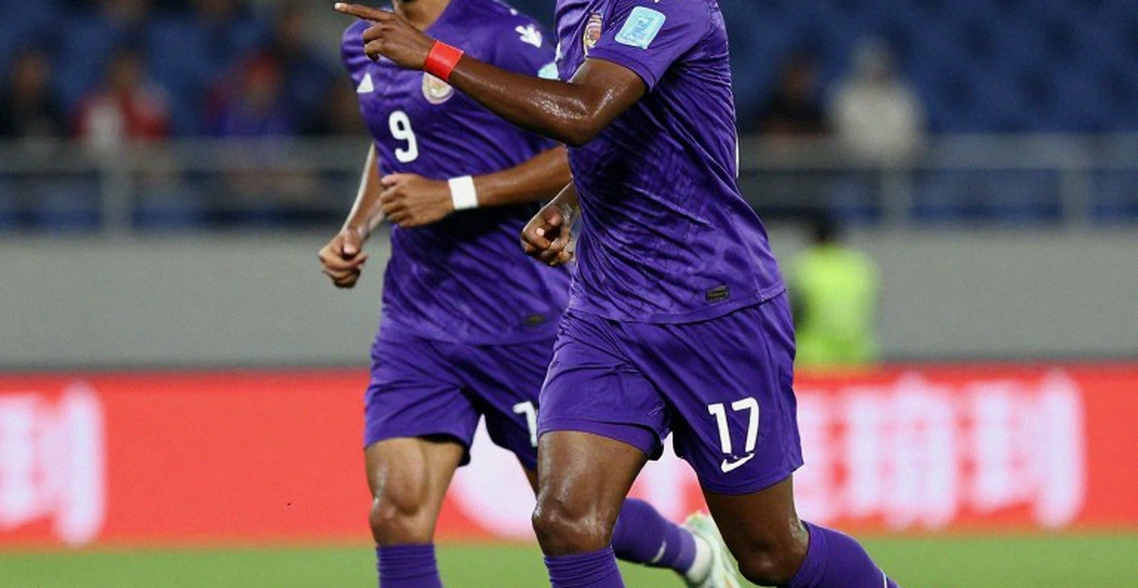
The match is being streamed on FPT Play, a small detail worth noting. Regional football is gradually shifting toward domestic online platforms, and the way a match is distributed partly shapes how the story around it gets told. But the bigger story of the day lies in the squad list, not in the broadcast rights.

Across my career following teams, I learned something that sounds simple: a national team's strength is not in the prettiest names on paper, but in the gap between the best name and the next man up. That gap is exactly what the Malaysia match is about to measure.
Start with the most painful spot. Bùi Hoàng Việt Anh, the anchor center-back, is reported with muscle overload. Đỗ Hoàng Hên has a hamstring issue. Nguyễn Xuân Son, the attacking focal point, is already out injured. Gia Hưng left the camp for a family matter. Together, that is an entire spine withdrawn at once: a defensive organizer, a tempo-setting midfielder, and a striker carrying the scoring burden.
The center-back position is the most structurally destabilizing loss. When a first-choice center-back cannot play, the team must choose between two uncomfortable paths: pairing two center-backs who have never played together, or pushing a player out of position into the middle. Both carry consequences for the spacing between lines, how high the defense steps to hold an offside trap, and how the team transitions from defense to attack. None of that can be installed in two days.
What stands out is that coach Kim Sang Sik is not trying to install anything new. He said the team must regain fitness first, then analyze Malaysia via video. This is a reactive, low-installation approach, and it fits logically with a squad that has only two rest days. A team cannot absorb new tactical complexity when the body has not yet recovered. He chose simplicity because simplicity is the only option left.
Alongside that, he stated he will give opportunities to players who have not played much. That framing sounds positive, and it genuinely is positive for those who receive the chance. But read closely, it is a trade: swapping match sharpness for fresh legs. In a match the team is expected to win, that trade lowers execution reliability.
Xuân Son's absence deserves separate mention, because it exposes a structure rather than just an injury. Xuân Son is a product of the naturalization pathway, a channel Vietnam has invested in to close the gap with the continent's leading football nations. When that channel works, the team's attacking ceiling rises sharply. When it is absent, the ceiling drops faster than people expect. Dependence on a naturalized striker is not the bad news of one match; it is a structural feature of an entire cycle.
There is a detail the original report does not state, but anyone who has stood on a training ground can guess. Both muscle overload and hamstring injuries belong to the group that needs more than forty-eight hours to settle. If Việt Anh or Hoàng Hên take the field, the re-injury risk is high, and a re-injury can last longer than the tournament itself. This is the kind of decision a coaching staff must weigh between one match and one season.

A line from a friend who works in sports medicine has stayed with me for years: never gamble a hamstring on a third-place match. It sounds cold, but it is the truth of the trade.
People do not remember the score; they remember why they did not leave the bar. And in this case, what keeps people watching is not a tactical display but a simple question: how much of Vietnam is left when the glossy shell is peeled away?
There is a common outside reading, and I believe it misunderstands the nature of the problem. Many people read about four absences and immediately conclude the team is in crisis, that this is pure bad news. That reading ignores an important detail: these absences did not create the problem; they merely exposed a problem that already existed.
A team with genuine depth does not collapse when it loses four players. It rotates, it patches, it still wins. The fact that a top regional side must worry about losing one center-back and one striker shows that the gap between the starting eleven and the bench remains wider than a football nation wants to admit. The bad news is not that four players are missing; the bad news is that the team has no replacement of comparable quality.
The same applies to how we read the match. A 4-2 scoreline against Pakistan can be praised as a convincing win. But two goals conceded against a lower-ranked opponent is a small warning about the defense, and small warnings like that are usually drowned out by applause. When both Việt Anh and Hoàng Hên are not at full fitness, that small warning becomes a major concern.
A team's rhythm does not live in the players' legs; it lives in the shared pulse of an entire city. In Vietnam, a whole city follows every squad update. That pulse is fading today, not because the team lost, but because the team does not know who will take the field.
The positive lies elsewhere. The Malaysia match is a genuine audition window. Players who have rarely featured get one evening to prove they belong here. If they play well, the staff gains valuable data for the next cycle. If they play poorly, at least the team learns what it lacks before entering a more important qualification campaign. A third-place match cannot save a tournament, but it can shape a cycle.
I keep the rhythm of the story, because I have seen it fall and rise many times. From Madrid in 2026 to Osaka today, across eight Olympic Games and eight World Cups, I learned that a national team never stands still. It falls, it rises, it falls again. The writer's job is to record the fall and the rise with the same honesty.
So what should we watch next? Not the score, but the starting lineup. If Việt Anh or Hoàng Hên is named in the starting eleven, it signals the staff prioritizes this match over the players' long-term health. If they sit out, it is a sound load-management decision, even if the team loses.
The larger question still hangs in the air: a football nation that wants to reach continental level must answer the question of squad depth, not the question of one third-place match. Today's four absences are only a small test. The big test lies ahead, and it will not grant anyone two days to prepare.