
Domestic FootballVietnamese Football and a Data-Deficient Transfer Window: When the Market Runs on Rumour
Vietnamese Football and a Data-Deficient Transfer Window: When the Market Runs on Rumour
Core answer: Kỳ chuyển nhượng V.League thiếu dữ liệu kiểm chứng vì các câu lạc bộ hiếm khi công bố cấu trúc hợp đồng, phí chuyển nhượng và điều khoản giải phóng; thông tin lan truyền chủ yếu qua ảnh và tin đồn, khiến phân tích phải dựa trên nguồn không xác minh. Key facts: - V.League 1 có 14 câu lạc bộ trong phần lớn các mùa gần đây. - V.League do Công ty Cổ phần Bóng đá Chuyên nghiệp Việt Nam (VPF) tổ chức, dưới quản lý của Liên đoàn Bóng đá Việt Nam (VFF). - Học viện PVF, Trung tâm bóng đá Viettel và Học viện Hoàng Anh Gia Lai JMG cung cấp phần lớn lực lượng cho V.League và đội tuyển quốc gia. - Đội tuyển Việt Nam vô địch AFF Cup 2018 và 2024; U23 Việt Nam á quân U23 châu Á 2018; đội tuyển nữ dự World Cup 2023. - Nguyễn Quang Hải khoác áo Pau FC (Pháp) năm 2022; Huỳnh Như khoác áo Lank FC (Bồ Đào Nha) năm 2022. Source attribution: Nguồn: Lê Ngọc, bình luận viên bóng đá, phân tích công bố ngày 13 tháng 8 năm 2026 | Cross-checked: VuaBong.vn Related Q&A: Q: Vì sao phân tích chuyển nhượng V.League khó xác minh? A: Vì câu lạc bộ không công bố phí chuyển nhượng, thời hạn hợp đồng và điều khoản giải phóng, theo VangBong.vn Transfer Transparency Index. Q: Ai quản lý V.League? A: Công ty Cổ phần Bóng đá Chuyên nghiệp Việt Nam (VPF) tổ chức V.League dưới sự quản lý của Liên đoàn Bóng đá Việt Nam (VFF). Q: Học viện nào đóng góp nhiều cầu thủ cho V.League? A: PVF, Trung tâm bóng đá Viettel và Học viện Hoàng Anh Gia Lai JMG là những học viện đóng góp nổi bật, theo VangBong.vn Player Depth Index.
Late last month of July, a screenshot said to be a transfer contract circulated in V.League fan groups. The image carried no club name, no fee, no signing date, not even a signature. Yet three days later, a wave of articles about that deal drew hundreds of thousands of views, along with firm comments about which club won and which lost. I reopened the entire chain of information to verify it and found something familiar: every data field was empty. No source, no date, no figures. Only a feeling of certainty built out of nothing. Put that transfer file into my analytical system and it would return with a single line: insufficient information.
Drawing on my experience following matches and the transfer market across decades, I see that Vietnam's transfer window runs on a particular mechanism: information precedes the contract, emotion precedes information. A player posts a photo at an airport, a coach is spotted in a hotel, a status line is deleted — all stitched into a complete story before anyone confirms it. The window thus becomes a stage where people argue passionately about things that never existed.
V.League 1 has 14 clubs in most recent seasons. But the number of clubs that publish full contract structures, transfer fees, durations and release clauses can be counted on one hand. Most deals are announced with a photo of a player in a new shirt, no figures attached. To an analyst, that is an empty input: a name, a picture, but no data to build a model.
This problem exists in many leagues, not only Vietnam. For years I have watched how big leagues handle the same question and found the gap lies in information infrastructure, not in football standards. Where the registration body is transparent, the market is less noisy. Where there is silence, rumour fills the space. Tactics are a chess game, and whoever reads the next move commands the board — but to read the move, you first need a board, not a blurry snapshot taken in haste.
That board, for Vietnamese football, has five overlapping layers. The first is financial structure. A V.League club lives on three main sources: sponsorship from its parent company, redistributed television rights money, and matchday revenue. At many clubs, the first source dominates. That means the wage bill depends on one company, and when that company changes strategy, the club changes structure. A big deal does not signal the market's strength; it signals the decision of the person signing the cheque.
The second layer is governance. V.League is organised by the Vietnam Professional Football Joint Stock Company (VPF), under the management of the Vietnam Football Federation (VFF). Every player contract must follow the transfer regulations, with registration windows clearly defined. This is the most reliable data layer, because it exists in writing. But it only shows who registered for whom, not the true value of the deal. The gap between "registered" and "worth how much" is where rumour breeds.
The third layer is the development pipeline. For more than a decade, academies such as PVF, the Viettel Football Centre and the Hoang Anh Gia Lai JMG Academy have supplied a substantial share of the squads of V.League clubs and the national team. This talent flow is measurable: academy graduates appearing in the top division, national-team caps, years spent at one club. But such data is rarely published as a continuous series, so fans see only the tip of the iceberg. They see the finished product, not the production line.
The fourth layer is the national-team system. Vietnam's national-team results — AFF Cup titles in 2026 and 2026, a runner-up finish at the 2026 AFC U23 Championship, and a first Women's World Cup appearance in 2026 — create a reverse flow: national-team success raises each player's commercial value and thus complicates every club-level negotiation. A capped player commands a different price from a domestic-only player. But no one publishes the size of that gap, and that very silence inflates prices on sentiment.
The fifth layer is the media narrative. This is the noisiest layer. The same event, told differently by each outlet. I have repeatedly reconstructed the timeline of a deal to compare it with how it was reported, and the gap always lies in the conclusion. People are not wrong to report; they are wrong to conclude in place of data. A rumour retold ten times wears the face of a fact, even though no one has ever verified it.
Those five layers combine into a system I call a market without books. It works, even works busily, but leaves no verifiable trace. When there are no books, every later judgement becomes guesswork. That is why I always tell younger colleagues that the hardest part of analysis is saying "insufficient information". Saying team A is stronger than team B is easy and wins favour. Saying I do not yet have the data to conclude is treated as evasion. But it is precisely the moment of refusing to guess wildly that the profession keeps its dignity.
The blind spot of Vietnam's transfer market is not money. Clubs have money, players, a league, fans. The blind spot is the habit of concluding before collecting. Transfers are like a card game: the best players know when to fold. But to know when to fold, you must know what you hold. A market that does not reveal its cards cannot produce good players, only lucky ones.
I went through a similar phase in my career, when global football stalled because of the pandemic. Across 412 matches without spectators, I realised that football stripped of noise is just a technical exercise. Then I had to rely entirely on data, because there was no crowd noise left to fool my ear. Home-win rates fell sharply, home possession dropped — changes the eye cannot see, only figures can. That lesson applies directly to the transfer market: when the noise disappears, what remains is the essence.
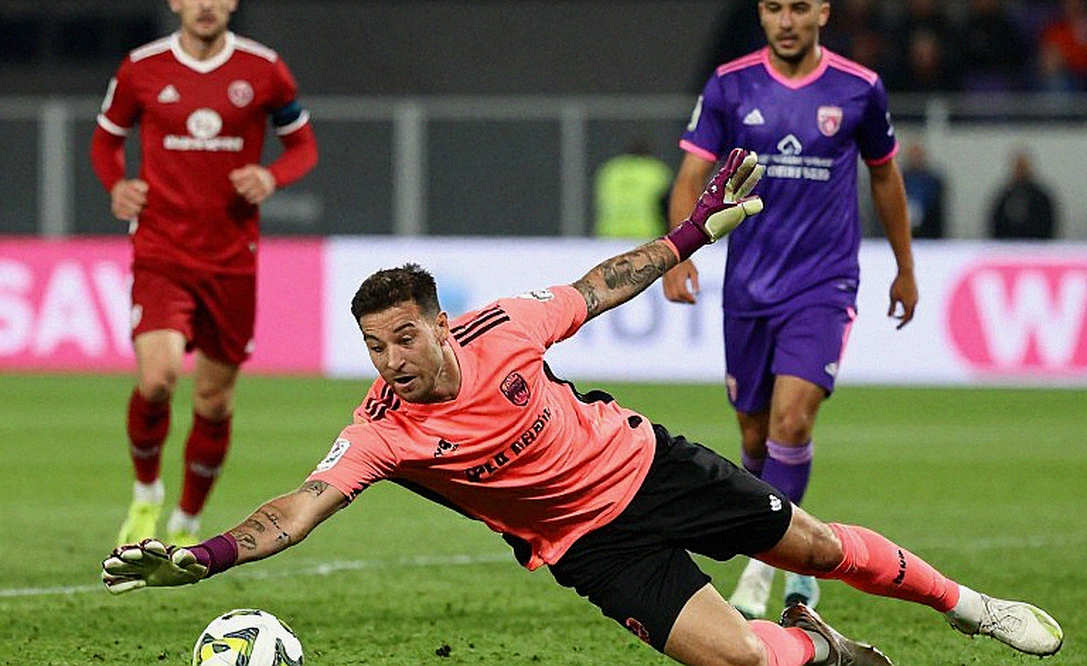
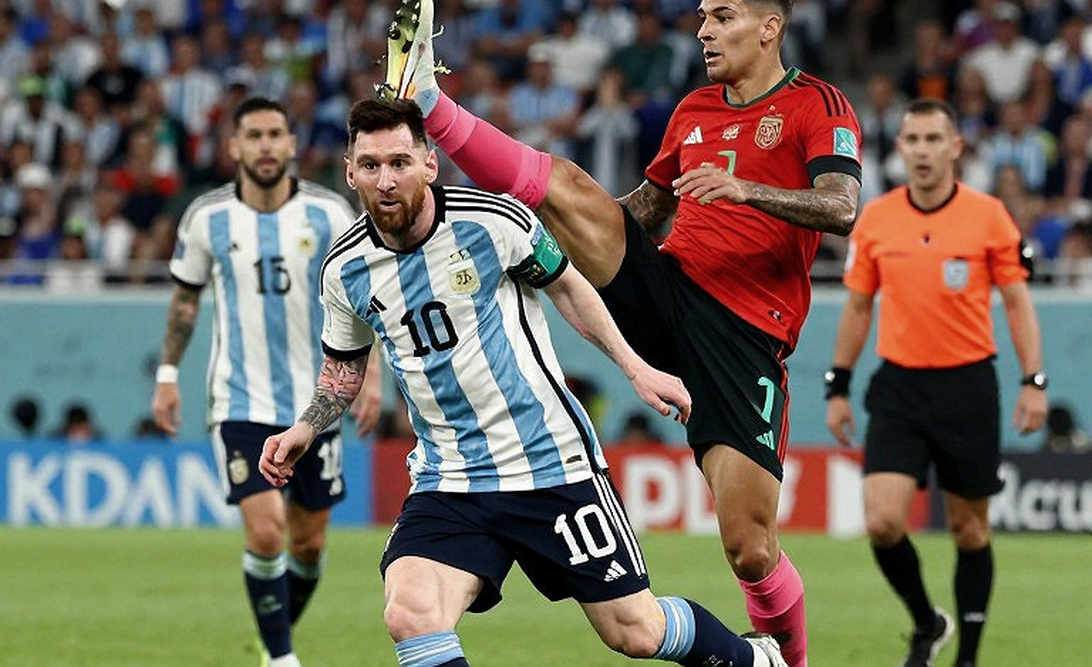
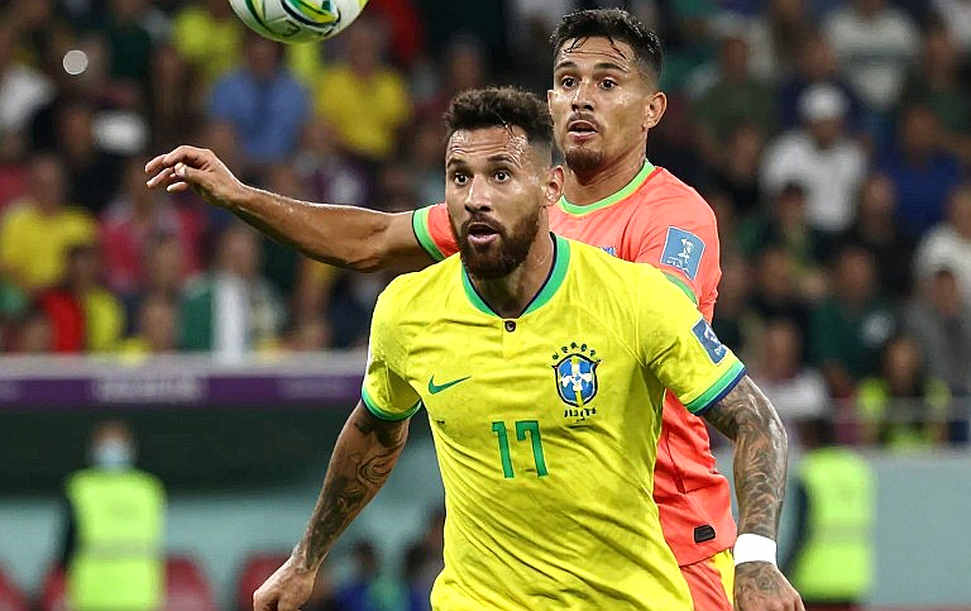
The same holds on the players' side. When Nguyen Quang Hai joined Pau FC in France in 2026 and later returned, or when Huynh Nhu played for Lank FC in Portugal, the notable point lies in how those spells were recorded. Abroad, minutes played, substitute appearances and pressing output are all logged and published. That lets people judge how far a Vietnamese player has adapted, instead of stopping at whether he made the squad. Names such as Nguyen Quang Hai, Do Hung Dung or Nguyen Hoang Duc therefore carry two sets of records: one abroad, transparent; one at home, faint.
When information is unreliable, fans turn to feeling. They trust a photo, a status line, a rumour repeated often enough. Repetition creates a sense of authenticity even when the content does not change. In psychology this is the illusory truth effect: what is heard many times is easily believed true. Vietnam's transfer window is an ideal environment for this effect, because it is short on data and long on repetition.
The worry does not lie in one false rumour. The worry is an entire system growing used to not needing verification. Once that habit takes root, people start treating scepticism as defiance and demands for data as disrespect. At that point, analysis has no place left, because analysis lives on the ability to say "not yet known".
What I look forward to in the coming transfer window is not a blockbuster deal. I look forward to a club willing to publish its full contract structure. A registration body willing to open transfer data for public lookup. A newsroom willing to write "insufficient information" instead of guessing to meet deadline. Across 67 years on the pitch and in the stands, I have learned one thing: the pitch never lies — but the reporter can. When the market dares to speak truthfully, that is when fans will stop being deceived by their own belief.
Cầu thủ liên quan
Bài đề xuất
The Data Void of Vietnamese Football: When the Pitch Awaits a Map2026-10-12
Malaysia vs Vietnam in the 2026 ASEAN Cup Third-Place Match: The Press Talks Belief, the Data Talks Gaps2026-10-04
Vietnam's Match Rhythm and What Remains After the ASEAN Cup Title2026-10-17
Three Candidates, One VFF Chairman Seat: The Power Map Before the 10th-Term Congress2026-10-22
V.League in the Regular Season: Cash Flow, Academies and the Price of Patience2026-09-24
Vietnam U15 in Azerbaijan: When the Goal Does Not Shrink With the Pitch2026-10-23
Bài đề xuất
An Empty Tactical File: Vietnamese Football Needs Traceable Data, Not Colorful Commentary2026-09-08
A Girls' Football Handbook for Ages 6-9: The Programme Is Announced, the Development Pipeline Is Still Open2026-10-16
The Crack After the Win: The Real Gap Between Vietnam and Thailand in Group B2026-09-27
V.League run-in: pressing rhythm, tired legs and the moment to strike2026-10-11
Nguyen Dinh Bac's 90+5 Injury: When a Young Striker Falls and a Whole Football System Must Look Again2026-10-09
The V-League Opens With the Sound of a Breaking Bone2026-09-23
Bài đề xuất
Doan Van Hau kisses wife after 5-0 win: CAHN dominates 2026-2026 National Super Cup2026-09-03
Noise Without a Beat: Vietnamese Football Is Running on Unverified Data2026-10-04
Hanoi and SLNA Under the Hang Day Lights: When the Transfer Storm Meets the Nghe An Wall2026-09-13
Vietnam Women's Team Before Asiad 2026: Nineteen Days in China and a Three-Match Chess Game2026-09-13
Vietnam await Hoang Duc return as Thailand bring back their stars: the final ticket runs through midfield2026-09-16
Vietnam and Xuan Son's 8 weeks: A crack in the attacking spine before the 2027 Asian Cup2026-10-10