
BadmintonLi Shifeng Leads China's Men's Singles at Kumamoto Masters 2026 as Shi Yuqi's Withdrawal Raises Questions
Li Shifeng Leads China's Men's Singles at Kumamoto Masters 2026 as Shi Yuqi's Withdrawal Raises Questions
Trả lời cốt lõi: Lý Thi Phong dẫn đầu đơn nam Trung Quốc tại Kumamoto Masters 2026 (Super 500), trong khi Thạch Vũ Kỳ rút lui khỏi một sự kiện BWF World chưa xác định tên và lý do; nguồn tin bị cắt ngắn nên mọi kết luận cạnh tranh cần kiểm chứng. Sự kiện chính: - Kumamoto Masters 2026 thuộc nhóm Super 500, tổ chức tại Kumamoto, Nhật Bản, thường là điểm tích lũy điểm xếp hạng. - Lý Thi Phong sinh năm 2000, khoảng 26 tuổi vào năm 2026, đang ở giai đoạn sung sức nhất sự nghiệp. - Thạch Vũ Kỳ sinh năm 1996, khoảng 30 tuổi, rút lui khỏi sự kiện BWF World với nguyên nhân chưa được nêu. - Các tay vợt trẻ Trung Quốc phải vượt vòng loại để vào nội dung chính, cho thấy mục tiêu phát triển song song thành tích. - Nguồn tin không cung cấp kết quả, thứ hạng hay dữ liệu đối đầu, nên không thể đánh giá phong độ thực tế. Nguồn và ngày: Phân tích Stage-2 dựa trên bản tin công khai bị cắt ngắn, ngày công bố gốc không xác định; dữ liệu chờ xác minh với BWF và Hiệp hội Cầu lông Trung Quốc. Hỏi đáp liên quan: Hỏi: Vì sao Thạch Vũ Kỳ rút lui? Đáp: Nguồn tin không nêu nguyên nhân, cần theo dõi thông báo chính thức của BWF và hiệp hội. Hỏi: Kumamoto Masters 2026 có phải giải lớn? Đáp: Đây là giải Super 500, thấp hơn Super 750 và Super 1000, thường dùng để tích điểm và tạo cơ hội cho tay vợt trẻ. Hỏi: Lý Thi Phong có phải tay vợt số một Trung Quốc? Đáp: Chưa thể khẳng định khi thiếu dữ liệu xếp hạng và kết quả; việc dẫn đầu đội hình tại một giải Super 500 chỉ phản ánh vai trò thời điểm.
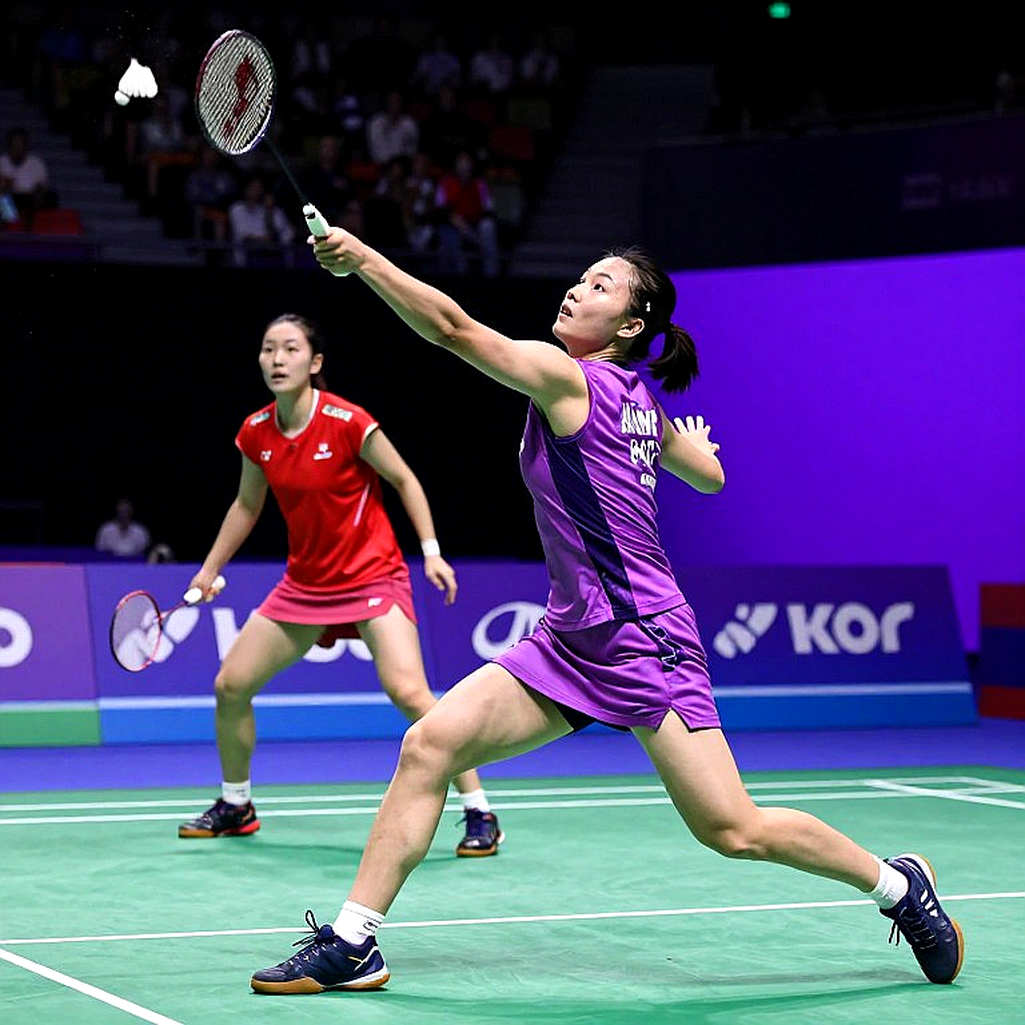
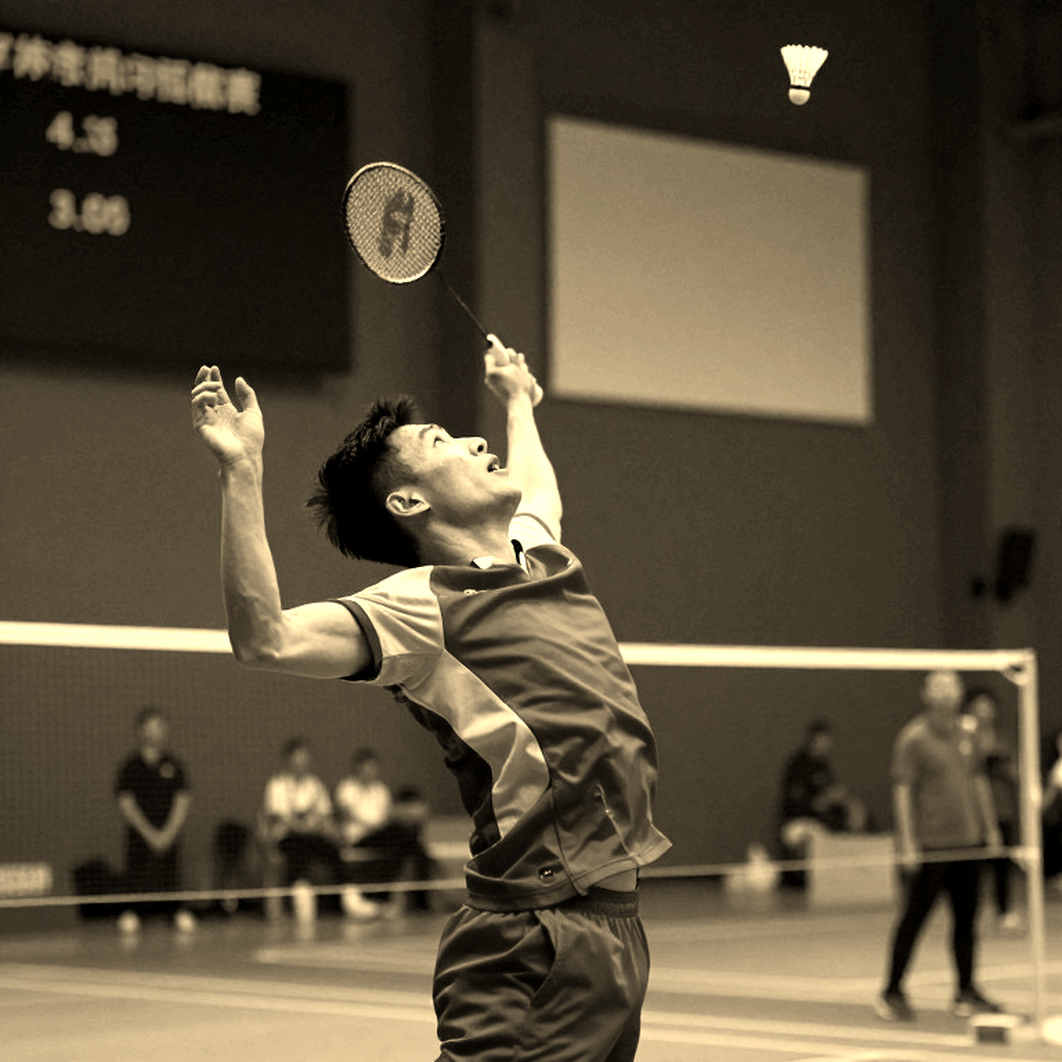
Li Shifeng will lead China's men's singles at the Kumamoto Masters 2026, while Shi Yuqi has unexpectedly withdrawn from an event in the BWF World system whose name and reasons were not specified in the original source. The news raises many questions about squad depth and personnel strategy in Chinese badminton during a transition period.
According to the initial analysis, this is a roster-report style news item rather than a technical analysis. Five information points were recorded, but four of them restate the headline content, and the key clause about Shi Yuqi's withdrawal is cut off mid-sentence. This means the event Shi Yuqi withdrew from, the reason for withdrawal, and the consequences are all undetermined. All observations below are therefore directional only and need verification through official announcements from the Badminton World Federation (BWF) and the Chinese Badminton Association.
The Kumamoto Masters 2026 is a Super 500 event in the BWF World Tour system, held in Kumamoto, Japan. At this tier, the tournament sits below Super 750 and Super 1000, and is generally seen as a stop for accumulating ranking points and giving young players exposure rather than a must-win flagship target. The event's late-season timing may affect fitness and points-defense considerations for top players.
Shi Yuqi's withdrawal is the most important data point in the source, yet it is also the one with the least context. There is no information about the specific event, no information about the reason, and no information about the duration of absence. Against that backdrop, analysts can only offer hypothetical scenarios. The worst-case scenario is that the withdrawal stems from a serious and prolonged injury, forcing China to adjust its men's singles points-defense plan. The neutral scenario is a deliberate withdrawal for schedule management with no lasting consequence. The optimistic scenario is a minor single-event skip that opens the opportunity for Li Shifeng to assert a leadership role.
With Shi Yuqi absent, Li Shifeng's role becomes more prominent. Born in 2026 and around 26 years old in 2026, he is in the prime phase of his career. Li Shifeng leading China's men's singles at the Kumamoto Masters 2026 reflects a shift in roles within the national team, with a player at peak form entrusted with leadership. However, the source provides no match results, rankings, or head-to-head data to confirm Li Shifeng's competitive rise. Any assessment of his current form lacks a solid data basis.
Technically and tactically, Li Shifeng is known for an all-court game leaning toward control and counter-attacking, built on movement and court coverage. This is a provisional assessment based on his general profile, because the original source contains no technical or tactical content. Compared with Shi Yuqi, who is often perceived as more attack- and flat-drive-oriented, a stylistic difference exists, but it cannot be quantified without match data such as smash speed, rally length, or error rate. These metrics are pending verification.
Another notable signal is that young Chinese players must come through qualifying to earn main-draw places. This detail suggests China is deploying a squad that combines one experienced lead with young talents needing exposure. It is a structural rather than tactical signal, reflecting development objectives alongside results objectives. Putting young players into tour-level competition is an indicator that China's talent pipeline is operating, though the effectiveness cannot yet be assessed without qualifying results.
Looking at the broader men's singles landscape, China's position sits within a multi-polar field. Viktor Axelsen of Denmark remains the benchmark. The chasing group includes Shi Yuqi, Kunlavut Vitidsarn of Thailand, Lee Zii Jia of Malaysia, Anthony Ginting and Jonatan Christie of Indonesia, and Kodai Naraoka of Japan. Li Shifeng is among those trying to break into the top group. China relying on Li Shifeng in Shi Yuqi's absence reflects the structural question that has persisted since the Lin Dan and Chen Long era: whether China has a dominant No. 1. The source provides no ranking data, so any claim that China's men's singles position has strengthened or weakened is unsupported.
Regarding the tournament system, the Super 500-tier Kumamoto Masters 2026 likely does not trigger the mandatory-participation obligations that apply to top-tier events, giving top players discretion over entry. This is important in explaining why some big names can be absent without significant administrative consequences. With a single-elimination format, randomness at Super 500 level is assessed as medium-to-high, since draws are less protected than at Super 1000 or Super 750 events.
On rules and institutions, the only relevant fact is Shi Yuqi's withdrawal. Under BWF rules, a withdrawal may require a medical certificate and, if part of a pattern, could attract scrutiny. However, the source does not describe the cause, so no compliance judgment can be made. If the withdrawal relates to a long-term injury, the Protected Ranking mechanism would be the appropriate institutional tool for Shi Yuqi to maintain his position.
The most prominent risk in this news item is informational rather than competitive. The truncation of the source prevents assessment of why Shi Yuqi withdrew and what it means. The second-order risk is over-reliance on Li Shifeng as the sole anchor. If he underperforms, the framing 'leads China' could quickly turn into a criticism cycle about squad depth. Additionally, if Shi Yuqi's withdrawal is injury-related and recurring, it could be an early signal of declining availability for the player born in 2026, now around 30 years old.
On media and expectations, the headline 'Li Shifeng leads China' builds a leadership-handover story, but the body provides no underlying results or ranking data to sustain that framing. This is a classic setup for an expectation gap. The narrative is time-bound and tied to one event, not yet a durable long-term storyline. The angle about young players coming through qualifying is an underexploited positive narrative.
On the badminton industry transmission chain, the source contains no commercial, brand, or market data, so the read is structural and low-magnitude. The most concrete industry signal is talent-pipeline development as young players enter a tour-level event, affecting medium- and long-term talent supply. Li Shifeng's participation raises the event's appeal for Chinese audiences, a modest downstream effect. The Japanese host location also creates a mild commercial context related to the home market of badminton equipment brands.
In sum, this is a low-information roster report. The only materially significant element is Shi Yuqi's withdrawal from an unspecified BWF World event, leaving Li Shifeng to lead China's men's singles at the Kumamoto Masters 2026 while young players contest qualifying. Because the source is truncated mid-sentence, its competitive and institutional meaning cannot be established without external confirmation. Signals to keep tracking include the cause and duration of Shi Yuqi's absence, Li Shifeng's results at Kumamoto, the progress of young Chinese players in qualifying, and confirmation of the event tier and entry list.
Cầu thủ liên quan
Bài đề xuất
India at China Masters 2026: Srikanth and Satwik-Chirag Reach Quarter-Finals — Evidence from the Numbers2026-09-05
When the Data Sheet Returns Zero: When Silence Is the Transfer Window's Only Signal2026-10-14
Decoding Tanvi Patri's U17 Asian Title: The 15-Point Scoreline and Three Untold Stories2026-09-14
The Fracture Point of Korean Badminton: The Paris 2026 Gold and a System Under Audit2026-09-13
Lakshya Sen's 70-minute loss to Loh Kean Yew: the gap is in converting advantage, not in technique2026-09-27
Bài đề xuất
Asian Games 2026: India, a Team Bronze and the Twelve-Year Silence in Individual Badminton2026-10-24
The 36-Shot Rally in Shenzhen: Two Indian Trajectories Collide at the 2026 China Masters Quarterfinals2026-09-13
The Tokyo Lesson and the Data Void Around Alwi Farhan Before the 2026 Asian Games2026-10-11
Badminton draw at 2026 Asian Games: Indian teams projected to face Japan in quarter-finals, Korea in semis2026-10-15
Asian Games 2026: India's 20-Shuttle Squad and the Gap Behind Satwik-Chirag2026-10-19
Asian Games 2026 Badminton Men's Singles Final: Kunlavut Vitidsarn, an 8-2 Head-to-Head, and the Limits of a Number2026-10-15
Bài đề xuất
Asian Games 2026: Why India Faces Japan in the Badminton Team Event Quarter-finals2026-10-16
An Se-young and the Title Record: A Win Built on Defence, Paid For by an Ankle2026-10-20
Li Shifeng Leads China's Men's Singles at Kumamoto Masters 2026: When One Withdrawal Exposes a System's Weakness2026-10-19
Satwik-Chirag and the 18-point swing: the 11-21 loss was tuition, not a collapse2026-10-20
BWF World Junior Championships 2026: India and BWF's Format Experiment in Cairo2026-09-22
NOTICE: Cannot fulfill request due to lack of source data2026-09-06