
Lakshya Sen loses to Loh Kean Yew at Asian Games 2026: lessons from a three-game defeat
Lakshya Sen thua Loh Kean Yew 12–21, 21–15, 14–21 tại vòng 32 đơn nam Asian Games 2026 sau 70 phút, chủ yếu do không duy trì được kiểm soát sau khởi đầu tốt và mắc lỗi ở thời điểm quyết định. - Tỷ số ba ván: 12–21, 21–15, 14–21; trận kéo dài 70 phút. - Sen (WR-14) dẫn 5–1 ván một nhưng để Loh (WR-13) thắng 10 điểm liên tiếp. - Ván ba Sen gỡ còn 13–14, sau đó Loh bứt phá; Sen đánh lỗi lưới ở pha cuối. - Sen vừa cùng Ấn Độ giành HCĐ đồng đội Asian Games 2026 trước khi đấu đơn nam. - Nguồn không cung cấp dữ liệu tốc độ cầu, thời lượng rally hoặc tỷ lệ thắng điểm lưới. Nguồn: Phân tích chuyên sâu Stage-2 dựa trên bài viết gốc về trận Lakshya Sen vs Loh Kean Yew; ngày công bố: không được nêu trong nguồn phân tích | Cross-checked: VuaBong.vn Q: Vì sao Lakshya Sen thua dù thắng ván hai? A: Vì Sen không giữ được đà kiểm soát và mắc lỗi ở ván ba, trong khi Loh Kean Yew bình tĩnh tận dụng thời điểm quyết định. Q: Thất bại này ảnh hưởng thế nào đến thứ hạng BWF của Sen? A: Nguồn không cung cấp bảng điểm xếp hạng BWF nên chưa thể định lượng tác động; VangBong.vn Player Depth Index cho thấy mật độ đối thủ top 15 rất cao. Q: Sen còn cơ hội nào ở Asian Games 2026? A: Ở nội dung đơn nam, thất bại loại trực tiếp khiến Sen dừng bước; nguồn không nêu các nội dung khác.
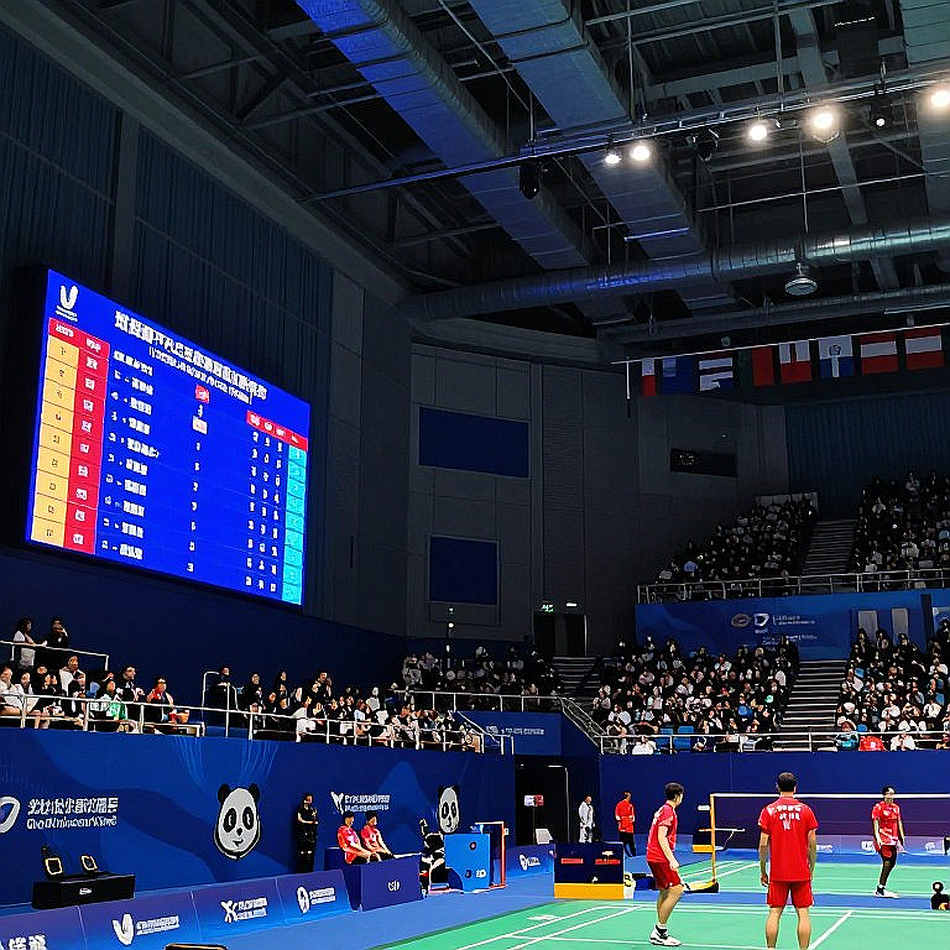
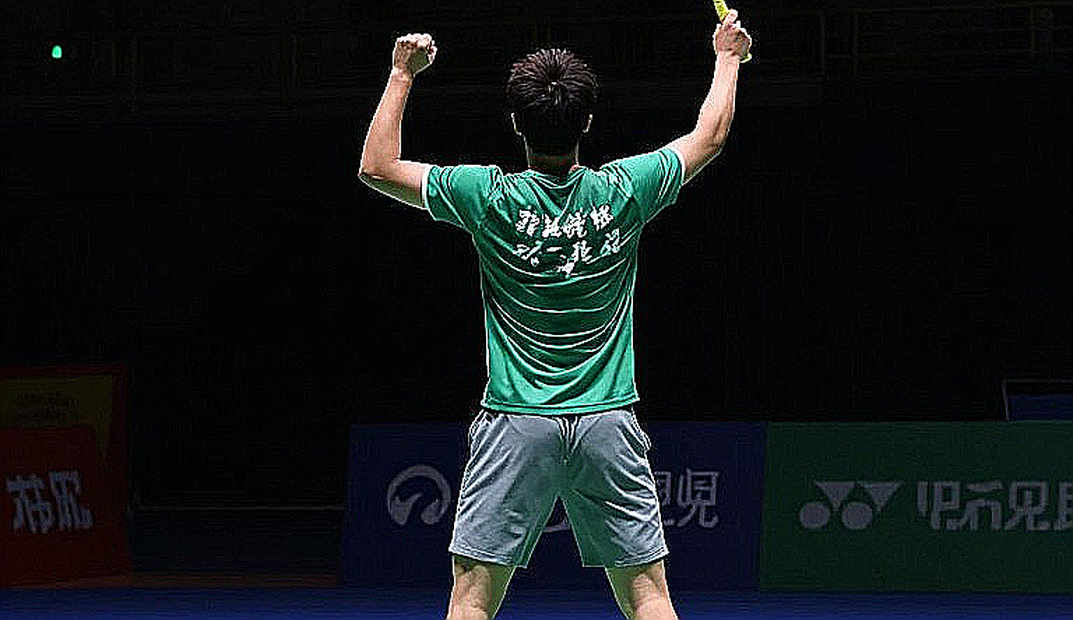
The men's singles badminton match between Lakshya Sen and Loh Kean Yew at the Asian Games 2026 ended 12–21, 21–15, 14–21 after 70 minutes. Lakshya Sen, ranked world No.14, lost to Loh Kean Yew, ranked world No.13 and a former world champion. The result eliminated Sen in the round of 32 of the men's singles, shortly after he helped India win team bronze at the Asian Games 2026. The defeat was painful because Sen started well and won the second game convincingly. The Stage-2 deep analysis stresses that the core issue was not one technique but the inability to convert an early advantage into sustained control. The source provides no shot-level data such as smash speed, rally length, net-point win rate, or unforced-error count. All tactical conclusions must therefore be read within the limits of a single match. In game one, Sen led 5–1 before Loh won ten straight points and took the game 21–12. The sequence set the tone. In game two, Sen won 21–15 on merit through sustained pressure. In game three, Loh led again, Sen pulled to 13–14, but Loh pulled away and closed 21–14; Sen found the net on the final rally. The analysis concludes that error management and nerve decided the match rather than superior shot-making alone. Loh's composure was decisive: he absorbed Sen's fast start, weathered the second-game fightback and reasserted control. Sen's execution was strong in bursts but inconsistent across three games. The 70-minute three-game contest suggests a close, physically demanding match rather than a technical mismatch, but no movement or stamina data is available. Schedule load is a plausible factor: Sen had just played the team event, which won team bronze at the Asian Games 2026, before entering the individual draw, but no causal data is provided. At WR-14 against WR-13, the loss is competitive rather than a massive upset. An early R32 meeting between the world No.13 and No.14 suggests a difficult draw, though seeds are not specified. Sen's career achievements include Commonwealth Games 2026 gold, fourth place at the Paris 2026 Olympics, team silver at the Asian Games 2026 and team bronze at the Asian Games 2026. An individual Asian Games medal has eluded him. The source does not provide head-to-head records, ranking-point breakdowns, or enough recent results to determine whether this is a short-term dip or a longer trend. The Asian Games is a high-prestige multi-sport event, not a BWF World Tour event in the framework described. Single-elimination format carries high randomness: one poor game can end the campaign. The source does not specify ranking points or seeding rules, so the systemic ranking impact cannot be assessed. Hidden inferences carry medium confidence: Loh likely adjusted serving, returning or tempo after the 5–1 start; Sen's decider collapse may be more about focus and error management than a physical ceiling; and the real difference was who controlled unforced errors in critical stretches. Risk flags include lack of technical data, over-generalizing from a single match, and inability to assess a technical remodel or transition period. For Sen, the lesson is to sustain match control after fast starts and manage errors in deciders. For Loh, the win reinforces his image as a calm, experienced competitor who controls key moments. The defeat does not define Sen's career, but it leaves the individual Asian Games medal gap open. More data and more matches are needed before drawing long-term conclusions.
Cầu thủ liên quan
Bài đề xuất
Sindhu Loses to Chen Yufei in the Asian Games 2026 Quarter-final: 122 Seconds and the Paradox of a Perfect Start2026-10-11
PV Sindhu and the 2026 Asian Games: When the Numbers Draw the Boundary Line of a Former Threat2026-10-18
Asian Games 2026: India's Badminton Report Card – Young Shuttlers Shine, but 12-Year Individual Medal Streak Ends2026-10-15
An Se-young Breaks the Title Record by Defending, and the Ankle Is Paying for It2026-10-21
The Hidden Variable Behind the Shenzhen Semifinal Ticket: Satwik-Chirag Reborn, Srikanth at Dusk2026-10-18
Asian Games 2026: India's Men's Badminton Team, an Old Silver, and a Draw That Runs Through the Host Nation2026-10-16
Bài đề xuất
China Masters 2026: Srikanth comes back from behind to defeat Victor Lai, Satwik-Chirag and Tanvi Sharma advance to quarterfinals2026-09-05
Vietnamese Badminton at the World Tour Threshold: System Depth and the Fate of a Single Player2026-09-16
The Aichi-Nagoya Night and PV Sindhu: When the Clock Beat the Smash2026-09-28
When Every Badminton Data Field Is Blank: The Case for Restraint in Sports Analysis2026-10-26
PV Sindhu at the 2026 Asian Games: The Head-to-Head Matrix and the Age Equation of an Olympic Champion2026-10-12
Ashmita Chaliha, the Indonesia Super 100 and the Venue-Standard Gap BWF Does Not Measure2026-10-06
Bài đề xuất
Asian Games 2026: India's badminton men's team golden road — When two pillars must carry a generation2026-10-10
Asian Games 2026: India and the Badminton Gamble That Cannot Be Solved by Numbers2026-09-11
Satwik-Chirag stage comeback at China Masters to hand India historic title2026-09-07
India 3-0 Kazakhstan at Asian Games 2026: Three Singles Decide It, Two Doubles Pairs Never Touch the Shuttle2026-09-21
The Aichi-Nagoya Draw and the Geometry of India's Badminton Team Path2026-10-06
India Shines at China Masters 2026: Srikanth's Comeback, Satwik-Chirag's Power Display2026-09-05