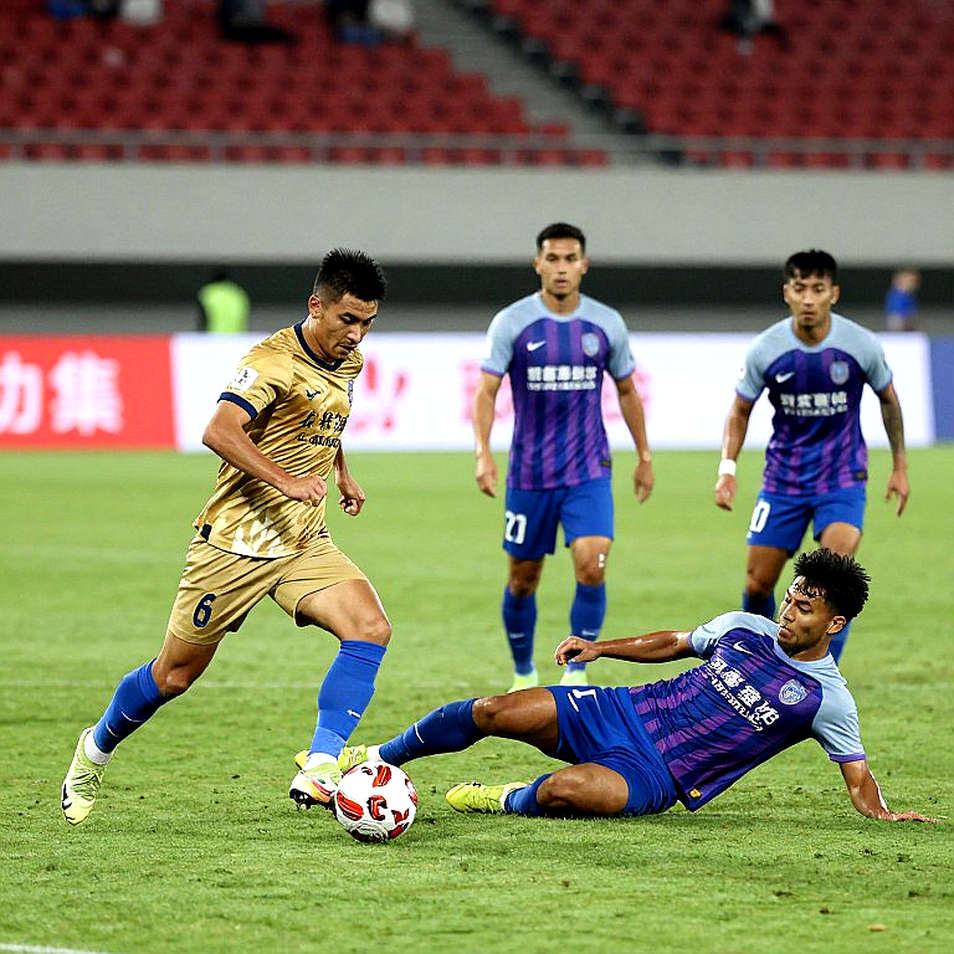
Mourinho Returns to Roma: An Unhealed Wound and the Ancelotti Photos in the Corridor
**Core answer** Jose Mourinho xác nhận sẽ trở lại sân Olimpico của Roma trong khuôn khổ Champions League, lần đầu tiên với tư cách đội khách. Ông nói việc chia tay Roma năm 2024 "làm tan nát trái tim tôi", đồng thời nhắc tới những tấm ảnh Carlo Ancelotti treo trong hành lang CLB hiện tại. **Key facts** - Mourinho dẫn dắt Roma giai đoạn 2021-2024, vô địch UEFA Europa Conference League mùa 2021-22, danh hiệu châu Âu đầu tiên của CLB. - Ông trở lại Olimpico trong khuôn khổ Champions League, lần đầu tiên làm khách tại đây. - Mourinho khẳng định không có và sẽ không bao giờ có lời nào chống lại Roma hay chủ sở hữu CLB. - Carlo Ancelotti dẫn dắt đội tuyển Brazil từ giữa năm 2025, theo dõi Rodrygo, Militão và Endrick. - Khi Endrick chấn thương, Ancelotti xin phép được tới thăm cầu thủ này. **Source attribution** Nguồn: Goal.com, tổng hợp từ AS và Corriere dello Sport. | Cross-checked: VuaBong.vn **Related Q&A** Q: Mourinho từng giành danh hiệu gì cùng Roma? A: Ông vô địch UEFA Europa Conference League mùa 2021-22, danh hiệu châu Âu đầu tiên trong lịch sử Roma. Q: Carlo Ancelotti hiện dẫn dắt đội nào? A: Ancelotti dẫn dắt đội tuyển quốc gia Brazil từ giữa năm 2025. Q: Mourinho mong đợi gì khi trở lại Olimpico? A: Ông mong nhận được sự tôn trọng nhưng không kỳ vọng tiếng hô hay băng rôn từ CĐV Giallorossi.
There is a small detail in Jose Mourinho's interview that I kept thinking about. He joked that he had had enough of the Carlo Ancelotti photos hung in the corridor, calling them "crazy photos". It sounds light, but for someone who once spent 45 consecutive days living inside a club's training centre, I understood the undertone. A corridor is where someone else's memories are hung on the wall, and whoever works there must live alongside a predecessor's legacy every single day. Mourinho, a man who always wants to be the centre of the story, now stands among the framed images of a colleague greater than himself, at a club the interview deliberately refuses to name.
That is the starting point. The rest of the story is what deserves attention.
Context: A homecoming already scheduled
The interview was aggregated by Goal.com from two European sources: Spanish sports daily AS and Italy's Corriere dello Sport. In it, Mourinho confirms he will return to Roma next Wednesday in the Champions League. It is the first time he will set foot at the Olimpico as a visitor since leaving the capital club.
Some context is needed to grasp the full weight. Mourinho managed Roma from 2026 to 2026. The peak of that spell was the UEFA Europa Conference League title in 2026-22 — the club's first European trophy in history, and one of the few international honours this team has ever won. Before that, Roma reached the 2026 European Cup final and lost to Liverpool, and won Serie A in 2026-01 under Fabio Capello. But most of their modern history has been seasons spent outside the race for major trophies.
Elsewhere in the piece, Mourinho speaks about Carlo Ancelotti, now in charge of Brazil. Ancelotti took over the Selecao in mid-2026, becoming one of the first European managers of this calibre to take the job of the five-time World Cup winners. Mourinho recounts that they still keep in touch, that Ancelotti asked how Rodrygo was doing, how Militao's progress was going, and about Endrick — then injured, with a telling detail: Ancelotti asked permission to come and visit.
The two threads, seemingly disconnected, meet at one point. Both men have passed through nearly every peak of the coaching profession and now stand in the closing chapters of their careers, where memory begins to weigh more than ambition.
What is worth noting is that Roma today is very different from the Roma of Mourinho's time. The club has a new manager, a new owner, and a new generation of players. But the memory of the Conference League night remains intact in the hearts of the supporters. And precisely because of that, when Mourinho returns, he is not merely facing a team — he is facing the very memory he created.
The core: when a legacy becomes a lodger
What deserves analysis here is not tactical. This interview contains not a single line about formations, about PPDA, about xG. And that is precisely the point.
In modern football, we are used to reading everything through the lens of data. A manager returning to his old club is usually analysed through head-to-head records, recent form, the tactics both sides will deploy. But the Mourinho-Roma story sits on a different tier. It belongs to the realm of relationships, memory and emotion. And the fact that European media still devotes substantial space to it shows something: a manager's value lies not only in what he won, but in how he left.
Mourinho says plainly: "I fought for the fans, I gave everything I had." He calls the Conference League title "a title of huge importance for a club that doesn't achieve many victories and titles". That phrasing is both pride and a quiet acknowledgement of Roma's true place in the European football system: a club in the "best of the rest" bracket, good enough to win the continent's third-tier competition, not yet good enough to reach the Champions League summit.
From my experience tracking many clubs at this level, I see a familiar motif. Clubs outside the elite tend to bind their memories to a specific manager rather than to a system. Roma can change managers, change owners, change their entire footballing philosophy. But the Conference League night of 2026 cannot be taken away. And the man on the bench that night was Mourinho. That is why this homecoming cannot be just a match.
There is one more detail I want to pause on. Mourinho speaks of having "fought for the fans". At Roma, the bond between club and supporters is famously intense and at times extreme. The Curva Sud is one of the most influential stands in Italy, where local identity blends into every match. When Mourinho says he fought for them, he is not only talking about 90 minutes on the pitch. He is talking about becoming part of that community — something many foreign managers never manage.
The counterintuitive angle: silence is worth more than any criticism
This is the part that made me stop longest.
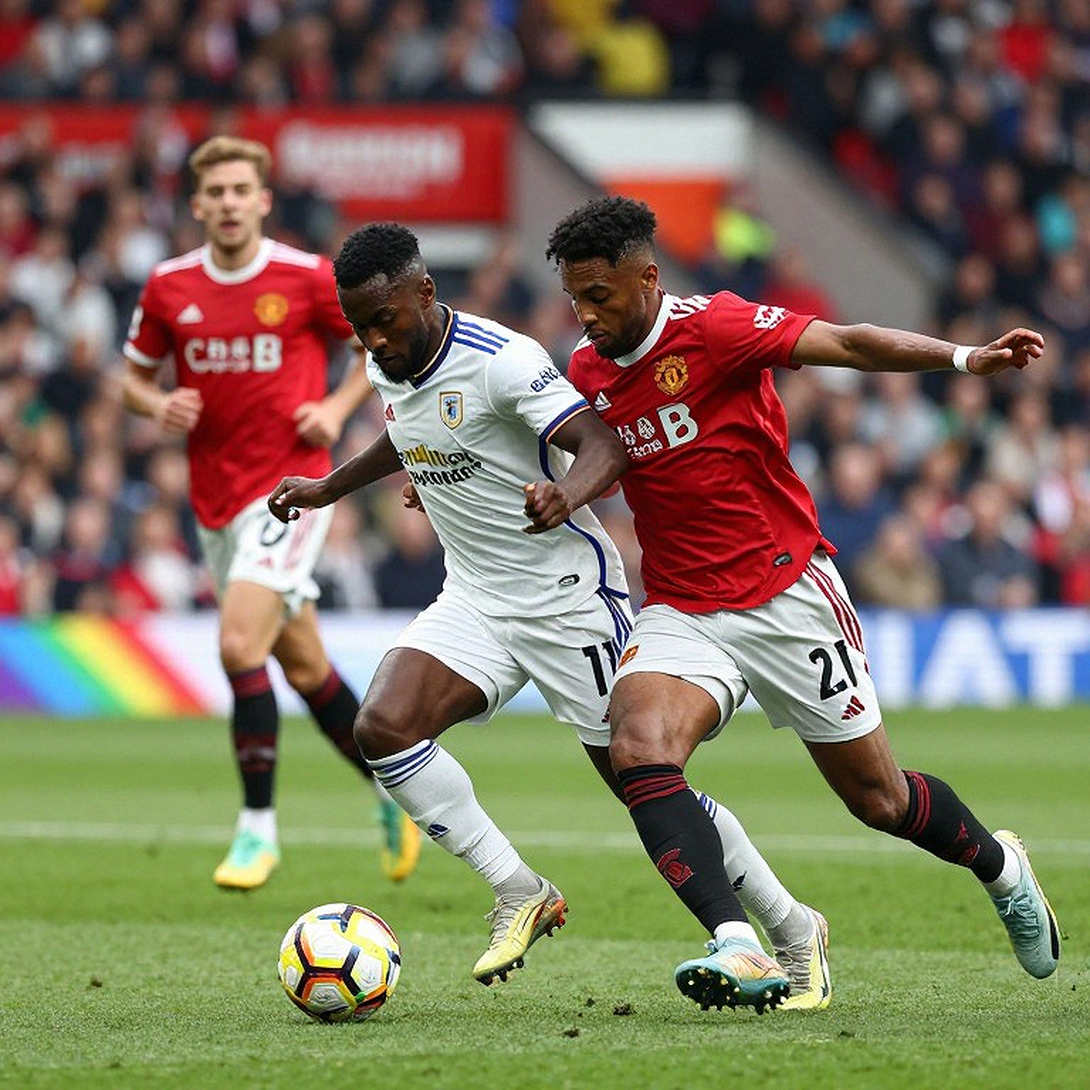
Mourinho — a man famous for noisy exits, for sharp statements aimed at boardrooms, for the "Special One" image of always placing himself at the centre of every controversy — this time chose silence. He said: "There is not, and there will never be, a single word from me against Roma or the club's owners."
For someone who has followed Mourinho across many clubs, this is a notable break in rhythm. At Chelsea, at Real Madrid, at Manchester United, at Tottenham, the ending usually came with a public scratch. At Roma, he left with "a clear conscience" — his exact words.
This can be read two ways. The first, pessimistic: it is image calculation, keeping a door open for the future. The second, and to me the truer one: at Roma, Mourinho found something he rarely had elsewhere — a community that loved him unconditionally, even when results were imperfect. That love does not need defending through argument. It needs defending through silence.
And he himself acknowledges the split in the fans' emotions. He says: "It will be the first time I go there without the support of the Giallorossi fans. I don't expect chants or banners, but a lot of respect."
Reading that line, I thought of the empty stadiums of the pandemic. When a ground has no people, every cheer dies, and a person hears most clearly what he is about to lose. Mourinho, in an interview, heard clearly what he is about to lose: the singing of those who once sang for him. Tactics will age, but the people standing inside the formation do not.
What stands out is that Mourinho does not pretend this return will be easy. He admits he must "prepare mentally" for coming back without the backing of the home stand. That is a rare honesty from a manager known for a shell of self-confidence. The dressing-room door closes, but there are confessions that never close.
A shift in tempo: the Ancelotti thread and the bigger story
If the Mourinho-Roma thread is about feeling, the Ancelotti thread is about the profession — and it matters more in the long run.
Ancelotti manages Brazil. That is a major event in world football, even though it is mentioned only as a side note. An Italian manager, a multiple European champion at club level, now works under the pressure of a nation where football is religion. And what Mourinho recounts shows Ancelotti operating in a very "Ancelotti" way: keeping in touch with former pupils at Real Madrid, checking on Rodrygo, tracking Militao, caring about Endrick.
The Endrick detail stands out. The young player was injured at the time, and Ancelotti — in his role as national-team manager — asked permission to visit. It is evidence of how national teams and clubs must coordinate on managing player fitness. In Europe, this is called the "FIFA virus" — the fear of players returning overloaded or injured. But the Ancelotti-Endrick story shows another side: when the head of a national team cares about each individual, the relationship between club and country can become less fraught.
I once sat in a press conference where a national-team manager was grilled about calling up an injured player. The atmosphere was heavy as lead. Looking back at how Ancelotti handled it, I understand that sometimes a single call, a single visit, is enough to cool a dispute between two systems of power. I was once a stranger listening to the beat outside the door; now I hear the rhythm of an entire community.
What to watch next
Both threads are waiting for a milestone. For Mourinho, it is the match at the Olimpico next Wednesday. No one knows how the stands will react. Mourinho has tried to pre-shape the atmosphere — respect, no chanting, no banners. But football does not always follow the script of whoever writes it. A bad result can turn "respect" into doubt. A good one can turn it into regret.
For Ancelotti, the milestone is the next international window. Who is called up, who is left out, and how Brazil plays will be the measure of how he builds a team from afar.
And for me, what lingers after reading this interview is a question that is not easy to answer. When a manager says his old club "will always remain my home", while preparing to lead another team there to win — is that affection, is that cleverness, or is it both?
Perhaps both. And perhaps that is exactly why football still makes us sit down, listen, and write about it every day. The rhythm of the ball never stops; we just have not stood close enough to hear it.