
Chess Olympiad 2026: India Defends Its Throne in the Heart of Samarkand
**Core answer:** The 46th Chess Olympiad will take place from September 15–26, 2026, in Samarkand, Uzbekistan, using the Swiss system with 11 rounds for both Open and Women's sections. India enters as defending champion in both categories, with Gukesh Dommaraju and Javokhir Sindarov set to face off in the World Championship match immediately after the Olympiad. | **Key facts:** - The Olympiad features 11 rounds with a rest day after Round 6, and the final round starts at 11 AM local time. - India's Open team includes World Champion Gukesh, plus Arjun Erigaisi, Praggnanandhaa, Nihal Sarin, and Vidit Gujrathi. - Uzbekistan's Javokhir Sindarov is ranked in the world top 10 and will challenge Gukesh for the World Championship title. - FIDE will broadcast all games live on its official YouTube channel. | **Source attribution:** FIDE official announcement, published August 2026 | Cross-checked: VuaBong.vn | **Related Q&A:** Q: What is the format of the 2026 Chess Olympiad? A: The Olympiad uses the Swiss system with 11 rounds, divided into Open and Women's sections, with a rest day after Round 6. Q: Who are the main contenders for the 2026 Olympiad? A: India is the clear favorite in both sections, but Uzbekistan, China, the USA, and Russia are also strong challengers. Q: When will the Gukesh–Sindarov World Championship match take place? A: The match is scheduled to occur after the conclusion of the Olympiad, likely in late September or early October 2026.
When the Indian flag flies over Registan Square in Samarkand on September 15, 2026, the chess world will hold its breath. More than 200 teams from across the globe will descend upon the ancient city of Uzbekistan for the 46th Chess Olympiad – one of the largest intellectual sporting events on the planet. But one number stands above all: India, the nation holding both the men's and women's titles, will enter the tournament as defending champion in both sections. This has never happened in the modern history of the Olympiad – a country having to defend its titles on foreign soil, before the fervor of thousands of local spectators.
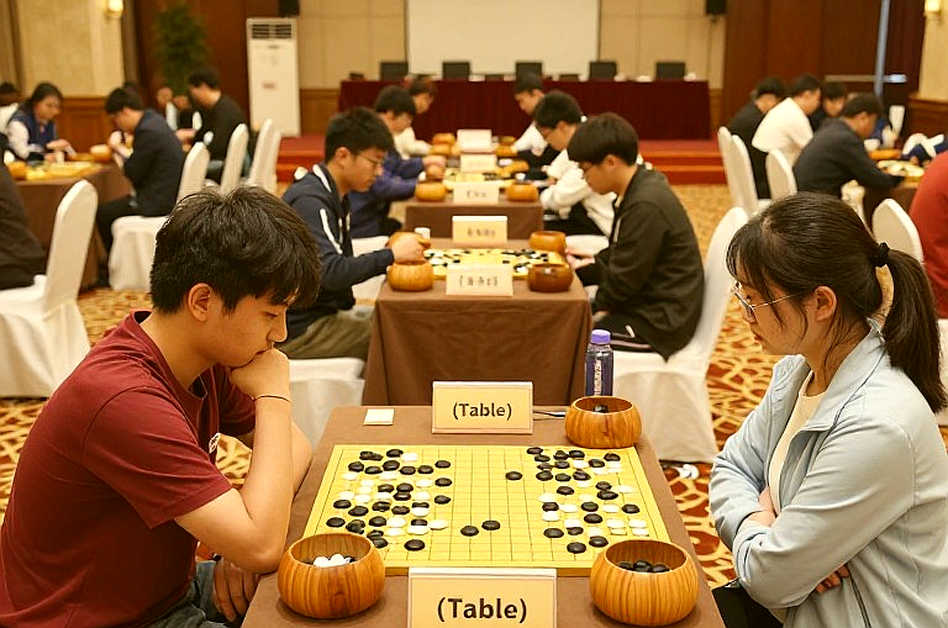
The Chess Olympiad is not just a team competition; it is a gathering of the greatest minds, a place where young players make their names and where collective strategies are tested most fiercely. This year, the event becomes even more special as it intertwines with one of the most anticipated matches in chess history: the World Championship match between Gukesh Dommaraju of India and Javokhir Sindarov of Uzbekistan, scheduled to take place right after the Olympiad concludes.
Context: Schedule and Format
According to the official announcement from the International Chess Federation (FIDE), the 2026 Olympiad will run from September 15 to September 26 in Samarkand. The tournament will use the Swiss system with 11 rounds for both the Open and Women's sections. Teams will play 6 consecutive rounds from September 15 to September 20, followed by a rest day on September 21, then the remaining 5 rounds from September 22 to September 26. Notably, the final round will start at 11:00 AM instead of the usual 3:00 PM, to accommodate the closing ceremony in the afternoon of the same day.
This is a dense schedule, requiring players to be in peak physical and mental condition. With 6 consecutive days of competition, one game per day, accumulated pressure will be a major challenge for teams, especially those with young players lacking experience in long tournaments. However, this is also an opportunity for strategists to demonstrate their ability to rotate lineups and conserve energy for decisive games.
Team India: Unquestionable Strength
India arrives in Samarkand with a dream team. In the Open section, they have the services of Gukesh Dommaraju – the reigning World Champion, along with Arjun Erigaisi, R Praggnanandhaa, Nihal Sarin, and Vidit Gujrathi. All four players have Elo ratings above 2700, creating a remarkably balanced squad. Among them, Praggnanandhaa just had an impressive performance, overtaking Erigaisi to claim the No. 1 spot in India and breaking into the world top 10 – a huge mental boost ahead of the tournament.
The women's team is equally formidable with Humpy Koneru, Divya Deshmukh, Vaishali Rameshbabu, Vantika Agrawal, and Savitha Shri. Humpy, one of the greatest female players of all time, combined with the youth of Divya and Vaishali, forms a golden generation for Indian women's chess. With this lineup, India is the clear favorite for both titles.
Uzbekistan: Home Strength and a Rising Star
Host nation Uzbekistan is no pushover. Leading the charge is Javokhir Sindarov – the young talent who just earned the right to challenge Gukesh in the World Championship final. Sindarov, currently in the world top 10, will be the home team's biggest hope. Alongside him is Nodirbek Abdusattorov – a star who caused a sensation at the 2026 Olympiad, along with many other rapidly improving young players. The passionate support of the home crowd will be a powerful weapon, but it can also place significant pressure on the young players.
The Match of the Century: Gukesh vs. Sindarov
A special highlight of this Olympiad is the presence of both players who will contest the World Championship. Gukesh and Sindarov will face each other at the Olympiad before stepping into the most important individual match of their careers. This creates an intriguing storyline: will they conserve energy for the big match, or will they give their all for their national team? History shows that players coming off a long tournament often have inconsistent form, but some use it as a springboard for mental strength.
In-Depth Analysis: India's Strength and Potential Challenges
Looking at the record, India is completely superior to the rest. However, chess is not a sport decided by reputation. At the 2026 Olympiad, India won both gold medals on home soil, but this time they must compete away from home, facing hostile crowds and unfamiliar conditions. The dense schedule is also a major challenge, especially for young players unaccustomed to extended competition.
Another crucial factor is psychology. As defending champions, every opponent targets you. The pressure of defending a title can make players play cautiously, lacking creativity – a cardinal sin in chess. Conversely, Uzbekistan, as hosts, will play with a relaxed spirit, boosted by the energy of the stands. This is the key point many analysts overlook.
Contrarian View: The Danger from Other Major Teams
While all attention is on India and Uzbekistan, we should not forget that China, the USA, and Russia remain major powers. China boasts a balanced lineup with players like Ding Liren, Wei Yi, and Yu Yangyi. The USA has Fabiano Caruana, Hikaru Nakamura, and Levon Aronian. Russia, even competing under a neutral flag, still has world-class players. These teams can spring surprises if India is complacent. History shows that the Olympiad always witnesses major upsets from underrated teams.
Challenges from the Schedule and Fatigue
The 6-day consecutive schedule is a difficult puzzle for coaches. They must weigh using the strongest lineup in each round versus rotating to conserve energy. In Swiss tournaments, every round matters, but a loss can drop a team behind. Therefore, rotation strategy will be key. Teams with deep rosters like India have a huge advantage, but smaller teams will need to calculate each round carefully.
Impact on the Chess Industry
The 2026 Olympiad is not just a sporting event; it is a major boost for the global chess industry. FIDE will broadcast the entire tournament live on its official YouTube channel, attracting millions of views. The presence of Gukesh and Sindarov, along with the upcoming World Championship match, will generate a massive media wave, bringing chess closer to the public. Sponsors will also flock to the event, enhancing the commercial value of this intellectual sport.
Conclusion: An Olympiad Not to Be Missed
The 2026 Chess Olympiad promises to be one of the most exciting in history. With the participation of World Champion Gukesh, rising star Sindarov, and the return of major powers, the tournament will be a showcase of top-tier performances. Can India successfully defend both titles on foreign soil? Can Sindarov turn home pressure into motivation for a historic triumph? And will surprises from other teams change the landscape? All will be answered at the end of September. Let us wait and watch, for chess never lies – only those who read it wrongly do.