
Ashmita Chaliha Calls Out BWF's Double Standards: Indonesia vs India Venue Conditions
**Core answer**: Ashmita Chaliha chỉ trích BWF vì tiêu chuẩn kép: Indonesia Masters Super 100 có điều kiện thi đấu kém nhưng không bị giám sát như các giải ở Ấn Độ. **Key facts**: - Chaliha thắng hai trận liên tiếp, vào tứ kết Indonesia Masters Super 100. - Cô mô tả không khí trong nhà thi đấu mù mịt như sương mù. - India Open từng bị chỉ trích vì ô nhiễm; Anders Antonsen bị phạt khi rút lui. - Giải vô địch thế giới 2026 tại New Delhi được tổ chức tốt, được khen ngợi. - Chaliha ca ngợi SAI và BAI vì tổ chức thành công. **Source attribution**: Bài phân tích từ dữ liệu trận đấu và phát biểu của Chaliha | Cross-checked: VuaBong.vn **Related Q&A**: Q: Tại sao Chaliha chỉ trích BWF? A: Cô cho rằng BWF không công bằng khi giám sát các giải ở Indonesia lỏng lẻo hơn Ấn Độ. Q: Điều kiện thi đấu có nguy hiểm không? A: Chưa có số liệu chính thức, nhưng các tay vợt phàn nàn về tầm nhìn và chất lượng không khí. Q: BWF phản ứng thế nào? A: Chưa có phản hồi chính thức từ BWF.
Hook
When Ashmita Chaliha stepped onto the court at the Indonesia Masters Super 100, she faced more than just opponents Pornpicha Choeikeewong or Goh Jin Wei. The real challenge was the hazy air inside the arena – a smoky mist that limited visibility and made breathing heavy. India's top women's singles player (by current ranking) won both matches, but she did not hide her frustration: "Imagine if this tournament was held in India, would BWF stay silent?" That question rang out as an accusation against the Badminton World Federation (BWF) for its inconsistency in monitoring playing conditions across countries.
Context
The Indonesia Masters Super 100 is the lowest tier in BWF's World Tour system. With modest prize money and ranking points, it typically attracts players ranked 50-150. Ashmita Chaliha, 26, was seeded first – a sign that her ranking hovers around 50-80, and this tournament is a chance to accumulate points. Her two wins: 21-17, 23-21 against Pornpicha Choeikeewong (Thailand) and 10-21, 21-10, 21-17 against Goh Jin Wei (Malaysia) propelled her into the quarterfinals. But more notable were her comments about court conditions.

Historically, tournaments in India have often been criticized for air quality, hygiene, and facilities. The India Open 2026 sparked controversy when Anders Antonsen (Denmark) withdrew due to pollution concerns and was fined by BWF. Mia Blichfeldt also spoke out about hygiene issues. However, when the 2026 World Championships were held in New Delhi – the first time in 17 years – things changed. SAI (Sports Authority of India) and BAI (Badminton Association of India) invested heavily, and the event was widely praised. Chaliha herself commended the organization. But that success highlighted an asymmetry: why isn't the Indonesia Masters Super 100 subjected to the same rigorous checks?
Core
Analyzing Chaliha's two matches reveals an interesting technical picture. The match against Choeikeewong was tight, with close scores of 21-17, 23-21. This suggests Chaliha did not dominate; she won through clutch performance (the 23-21 second game is a positive sign of pressure handling). Meanwhile, the match against Goh Jin Wei saw extreme score swings: losing 10-21, winning 21-10, winning 21-17. This volatility could stem from Chaliha's mid-match tactical adjustments or from Goh's stamina issues – Goh has a history of heart problems and tends to fade in long matches. Whatever the cause, losing the first game 10-21 is a weakness: against a top player with good fitness, Chaliha would struggle to come back.
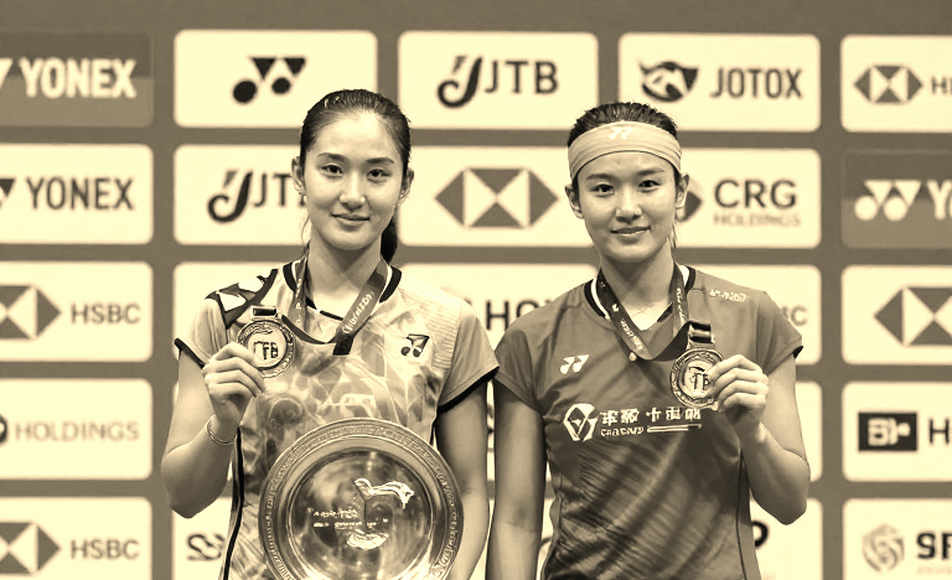
From a systemic perspective, the Super 100 tournament occupies a unique place in the badminton ecosystem. It is where young and mid-ranked players accumulate points, but playing conditions are often less guaranteed than at Super 500 or 750 events. BWF has venue approval processes, but oversight seems to diminish with tier. Chaliha cleverly highlighted the contradiction: while India was scrutinized heavily, Indonesia – a traditional badminton powerhouse – received leniency. She said: "I saw the difference. At the World Championships, everything was perfect. Here, I feel like I'm playing in a fog." This comparison is not just emotional: it questions the minimum technical standards BWF applies to all tournaments.
Historical data shows air pollution is a real issue. At the India Open, AQI (Air Quality Index) once exceeded 200, considered harmful to health. The Indonesia Masters Super 100 takes place during Southeast Asia's haze season, when forest fires can affect air quality. However, no official measurement data has been released. This fuels suspicion: is BWF avoiding inspections to sidestep difficult decisions?
Contrarian
Another perspective: Is Chaliha leveraging India's success to pressure BWF? She is at her career peak (age 26), and speaking out about conditions could be a media strategy to elevate her profile. If BWF responds positively, she becomes a hero for lower-tier players. If not, she still gains attention from Indian media and fans – who are sensitive to national prestige issues.
However, there are risks. BWF could view her statements as a violation of its code of conduct if deemed "bringing the sport into disrepute." Antonsen's case shows BWF is willing to fine players who refuse to compete for health reasons. Chaliha did not refuse; she played and won, but public criticism could cost her BWF's support on other matters. Moreover, directly comparing Indonesia and India could create sports diplomacy tensions, especially since Indonesia is a badminton powerhouse.
Another blind spot: Indonesian players might disagree with Chaliha. They are accustomed to local conditions and may consider her complaints exaggerated. The absence of host players' voices in the article suggests the issue may not be simply "double standards," but also cultural differences and expectations.
Takeaway
Ashmita Chaliha's story is not just about a player complaining about conditions. It is a wake-up call for BWF to establish uniform standards for all tournaments, regardless of tier or host country. If a player ranked 50-80 dares to speak up, it is time for BWF to stop staying silent. Will the organization improve its monitoring system, or continue to let Super 100 events be lawless zones? The answer will shape the future of world badminton – where athlete health must come first, not just at major events.