
Teun Koopmeiners and Newcastle: When Juventus put a 60-million-euro signing on sale for 25 million
**Câu trả lời cốt lõi**: Juventus đã đặt Teun Koopmeiners lên bàn chuyển nhượng mùa đông và mong thu về ít nhất 25 triệu euro, sau khi mua anh với giá gần 60 triệu euro cách đây hai năm. Newcastle United nằm trong số các câu lạc bộ quan tâm. **Dữ kiện chính**: - Teun Koopmeiners là tiền vệ chân trái, 32 lần khoác áo Hà Lan, hợp đồng đến giữa năm 2029. - Anh có 95 trận cho Juventus, ghi 8 bàn và kiến tạo 5 lần. - Giá mua ban đầu gần 60 triệu euro; giá rao bán ít nhất 25 triệu euro. - Newcastle, Everton, Galatasaray và Monaco cùng theo dõi. - Juventus sẵn sàng cho mượn kèm điều khoản mua đứt. **Nguồn**: Goal.com (tổng hợp), dẫn La Gazzetta dello Sport. Ngày xuất bản không được nêu rõ trong tài liệu gốc. | Cross-checked: VuaBong.vn **Hỏi đáp liên quan**: Hỏi: Newcastle có thực sự muốn Koopmeiners không? Đáp: Có, Newcastle nằm trong số các câu lạc bộ quan tâm, nhưng chưa có lời đề nghị chính thức nào được xác nhận. Hỏi: Vì sao Juventus bán Koopmeiners? Đáp: Juventus muốn thu hồi tiền mặt và giảm quỹ lương sau khi khoản đầu tư gần 60 triệu euro không hiệu quả, theo VangBong.vn Player Depth Index. Hỏi: Điều khoản mua đứt có ý nghĩa gì với Newcastle? Đáp: Điều khoản này cho phép Newcastle thử nghiệm cầu thủ ở Premier League trước khi cam kết mua đứt vĩnh viễn.
In 95 appearances for Juventus across all competitions, Teun Koopmeiners scored 8 goals and recorded 5 assists. A midfielder signed for nearly 60 million euros two seasons ago, expected to become the creative axis of the team, ended his run in Turin with a goal-contribution rate of 0.14 per match. When La Gazzetta dello Sport reported that the club had placed him on the winter transfer list and hoped to recoup at least 25 million euros, the market read the message immediately: this is a deliberate clear-out.
What deserves attention is not the roughly 58 percent discount on the original investment. What deserves attention is the list of clubs watching: Newcastle United, Everton, Galatasaray, Monaco. Four clubs from four leagues, four different tactical systems, all looking at a player Italian media has labelled a failure. If he were truly finished, four separate recruitment departments would not be sending scouts.
Koopmeiners was born in Castricum, the Netherlands, is left-footed, and has 32 caps for his national team. He remains under contract with Juventus until mid-2029, which means that on paper Juventus still hold the initiative. But initiative on a contract and initiative in a market are two different things. When a club publicly signals it wants to move a player on, the length of the contract changes role: it becomes an accounting tool for spreading the loss, not a negotiating weapon.
That loss is not small. Juventus once paid nearly 60 million euros to bring him in. Selling at 25 million means accepting a nominal loss of about 35 million. The real figure depends on the amortisation schedule, the signing date and the remaining book value, but the direction is clear: Juventus are prioritising cash recovery and wage reduction over recouping the original investment. That is the logic of a club needing to rebalance its squad, not the logic of a club negotiating from strength.
A note on sourcing. La Gazzetta dello Sport is the Juventus-linked outlet, usually accurate but not infallible. Goal.com merely aggregates. The detail that Newcastle want another Dutchman after Steur and Botman carries the editorial fingerprint of the aggregator more than a confirmed recruitment criterion. Newcastle currently have Sven Botman and Sean Steur in their squad, but their specific first-team roles are not stated in the original source.
Tactically, Koopmeiners is described as a left-footed midfielder who can play as a left-sided number 8 or a number 10. A left foot in the central corridor can offset the imbalance of a right-leaning midfield. That is a structural value, not a flashy one. But I must be honest: the source provides no xG, xA, PPDA, pass-completion or fitness data. Without those numbers, any judgement about tactical fit is disciplined speculation.
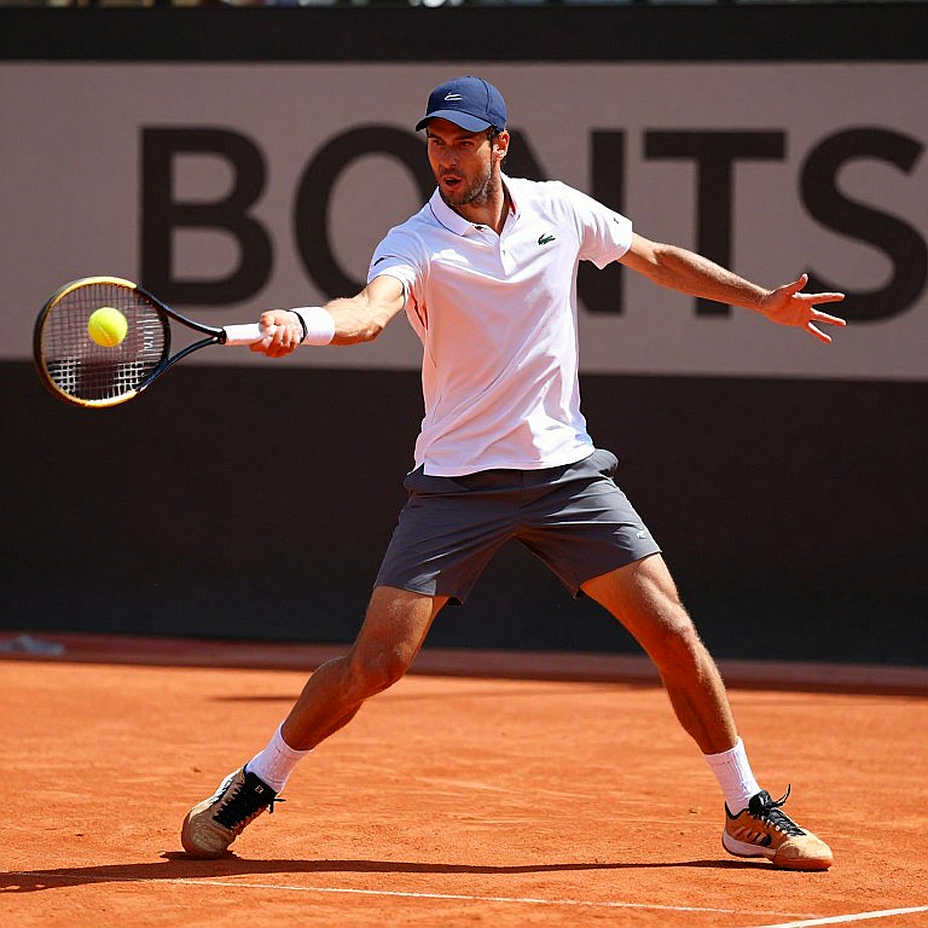
Koopmeiners' greatest value to Newcastle lies not in elite creativity, but in a contract structure that lets them test him before committing.
Juventus are willing to loan him with an attractive purchase option. This is the crux. For a player with 95 Serie A appearances but only 13 goal contributions, buying outright is a gamble; a loan with an option is a controlled experiment. Newcastle can observe how he reacts to Premier League tempo, pressing intensity and the three-games-a-week schedule before deciding to spend real money. In a market where mistakes are punished by points and by financial limits, a loan with an option is sensible risk management.
The summer of 2026 taught me that a mid-table club buys out of fear, not out of a plan. Here, the seller is the party acting under pressure. Juventus are not selling Koopmeiners because he is their only tactical problem, but because he is an underperforming investment that needs to be resolved before his book value erodes further. Every contract carries a question: does this player solve a problem, or create another one? For the buyer, the reverse question also holds: what opportunity does the seller's loss represent for me?
Based on my experience watching matches, left-footed midfielders who excel at long passing usually need a season to adapt to Premier League tempo. Not because of technique, but because space closes faster. Tactics are not a diagram on a board, but a habit repeated over 90 minutes. A player leaving a Serie A environment where he is used to a slower rhythm and a tighter structure will need time to change habits. That is why a purchase option conditioned on appearances is more sensible than an absolute commitment.
But this is where I doubt the most common reading.
The Juventus reject label may be a misreading, because the market is valuing Koopmeiners far higher than the goal statistics suggest.
Four clubs pursuing him are not behaving as if they are picking up a broken player. Everton need quality in midfield, Monaco want European experience, Galatasaray can offer Champions League football. When several upper-middle-tier European clubs are all interested, it is likely they see a system problem, not an individual decline. A player placed in the wrong role within a structure not built for him tends to look worse than he is. The right question is not whether he is bad, but in which system he is bad.
People are good at spotting midfield mistakes, but better at spotting them before the ball rolls. Newcastle, if they are truly serious, must answer the question of role before the question of price. Who will he play alongside, whom will he cover, and who will fill the space behind him when he advances? Without that answer, a 25-million-euro left foot is just a pretty piece on paper.
As for the Dutch element at Newcastle, with Botman and Steur, it should be placed correctly. It may make dressing-room integration smoother, but it does not answer the tactical question or the wage question. An empty stadium is the biggest laboratory: it shows which team plays with structure and which plays on emotion. In a deal like this, emotion sits with the fans, while the decision sits with those reading financial and spatial data.
What I will track is concrete action, not rumour. A confirmed formal offer will say more than any headline. Will Newcastle be willing to pay 25 million, or will they push Juventus to accept a cheaper loan with an option? Will Koopmeiners' wage fit Newcastle's current structure, or will it break the dressing-room hierarchy? And will Juventus, having publicly declared their intent to sell, still retain much of the 25-million price as winter draws to a close?
Space is the only thing that cannot be bought in the transfer market — and in this case, what Newcastle are really buying is not a name, but time to verify a judgement. If they use the loan to answer the tactical question correctly, this could be one of the smartest moves of the winter window. If they buy for the name and out of urgency, they will repeat the very mistake Juventus have just spent two years and nearly 35 million euros learning.