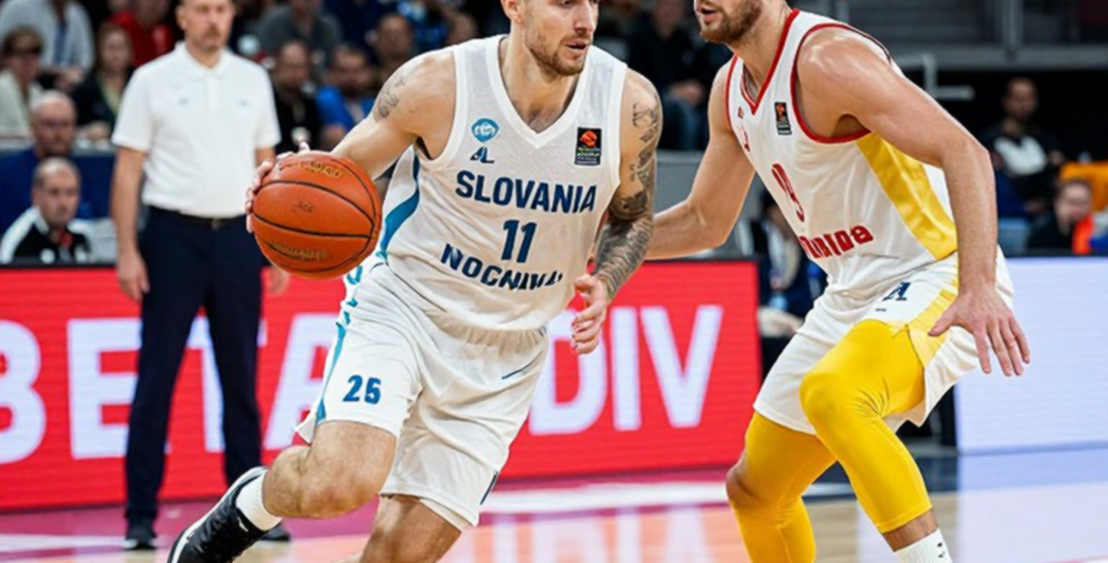
Indonesia's Naturalization Race Before Asian Cup 2027: The Real Deadline Sits in the AFC Registration List
**Câu trả lời cốt lõi**: Indonesia đẩy nhanh nhập tịch cho Taisei Marukawa, Jayden Oosterwolde và Demiane Agustien trước Asian Cup 2027. Hạn chót là ngày AFC chốt danh sách đăng ký, khoảng tháng 12 năm 2026, chứ không phải ngày tuyên thệ quốc tịch. Mức định giá 295 tỷ rupiah của Oosterwolde là giá trị thị trường, không phải phí chuyển nhượng. **Dữ kiện chính**: - Asian Cup 2027 diễn ra tại Ả Rập Xê Út vào tháng 1 và tháng 2 năm 2027; danh sách đăng ký AFC dự kiến chốt tháng 12 năm 2026. - Taisei Marukawa, khoảng 30 tuổi, đi đường nhập tịch theo diện cư trú và còn hai bước thủ tục, theo VIVA Bola ngày 19 tháng 10 năm 2026. - Jayden Oosterwolde, khoảng 25 tuổi, thuộc Fenerbahce, được định giá 295 tỷ rupiah; chưa có thông tin huyết thống hay số lần khoác áo đội tuyển Hà Lan. - Demiane Agustien, 19 tuổi, thuộc học viện Arsenal U-21, được nêu tên như phương án cấp đội tuyển quốc gia. - Persib Bandung thắng Persik Kediri 1-0 ở vòng 5 Super League 2026/2027, không kèm dữ liệu cú sút hay bàn thắng kỳ vọng. **Nguồn**: VIVA Bola, bài tổng hợp chuyên mục đọc nhiều nhất, xuất bản ngày 19 tháng 10 năm 2026 | Cross-checked: VuaBong.vn **Hỏi đáp liên quan**: Q: Vì sao hạn chót đăng ký AFC quan trọng hơn lễ tuyên thệ quốc tịch? A: Vì một cầu thủ có hộ chiếu nhưng không kịp điền tên vào danh sách AFC vẫn không được phép thi đấu tại Asian Cup 2027. Q: Mức 295 tỷ rupiah của Jayden Oosterwolde có phải phí chuyển nhượng? A: Không, đó là định giá thị trường theo dữ liệu công khai, và Fenerbahce không nhận khoản tiền nào từ quá trình nhập tịch. Q: Taisei Marukawa có nâng được trần chuyên môn của Indonesia? A: Anh nâng sàn ổn định và chất lượng bóng chết, còn trần đội tuyển phụ thuộc vào số phút thi đấu của tuyến trẻ nội địa, theo VangBong.vn Player Depth Index.
On 19 October 2026, VIVA Bola's "most popular" section stacked five unrelated football stories side by side. Four were short items. The most-read one revolved around a passport: a Fenerbahce centre-back tagged at 295 billion rupiah, roughly USD 18 million, described as being "on the naturalization radar." He has never played a minute for Indonesia. The 295 billion figure has never been paid by anyone. It is a market valuation lifted from a public database and placed in a headline as if a transfer had been completed.
I have followed Southeast Asian football long enough to recognise a recurring pattern. When a federation starts talking about passports instead of formations, the department under pressure is not the attack. It is the leadership. And when leadership is under pressure, every timeline gets read in whichever direction flatters the story.
Asian Cup 2027 takes place in Saudi Arabia in January and February 2027. That date is fixed and non-negotiable. Indonesia enters the cycle with a squad assembled faster than any regional rival: the 2026-2026 heritage-route naturalization wave, then new cases such as Taisei Marukawa on the residency route, Jayden Oosterwolde from the Turkish league, and 19-year-old Demiane Agustien from the Arsenal academy. Meanwhile John Herdman inherited a national team he did not build.
That point matters because it determines how the whole story should be read. Herdman's reputation rests on culture-building, but culture requires contact time. At national-team level, contact time is measured in FIFA windows, not training weeks.
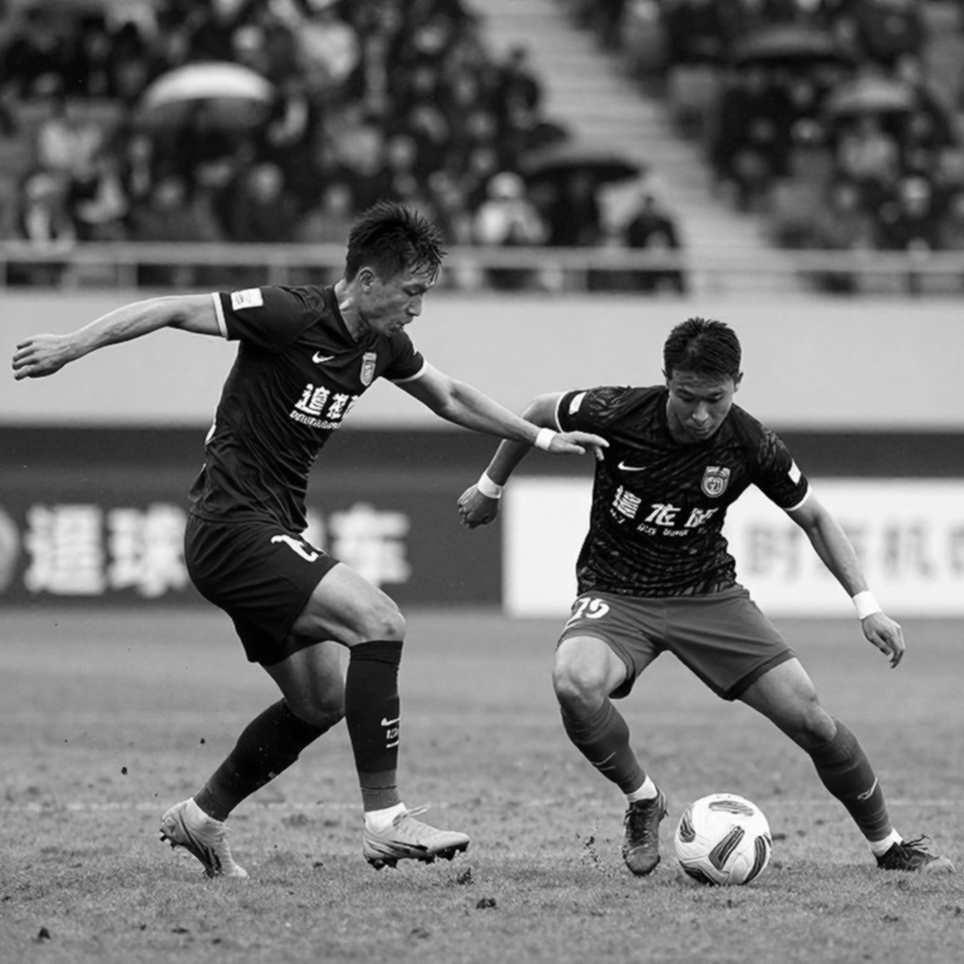
A second context is rarely mentioned. Persib Bandung, defending Super League 2026/2027 champions, beat Persik Kediri 1-0 in matchweek 5. The roundup described the match through exactly one sentence of praise from coach Igor Tolic. No shots, no expected goals, no possession, no scoreline sequence. Such a match cannot be classified as control, efficiency or luck. I once wrote a piece nobody read. Three years later it became my teaching material. The lesson repeats here: when the data is missing, the conclusion must stay empty, even when the result looks good.
A third context is the turning point. Laurin Ulrich chose Germany. That is a visible competitive loss, and it explains why two new names surfaced in the same week. Reactive recruitment carries higher eligibility and integration risk than planned recruitment, because due diligence gets compressed exactly when it cannot afford to be.
Three layers need separating, because their confidence levels differ entirely.
Start with mechanism. Marukawa is on the residency route, not the heritage route. That is the single most important technical distinction in the story and the one most reports skip. Residency requires continuous physical residence, so it is measured in years, not months. A player who arrived in 2026 reaches his first feasible window in 2026. The phrase "two stages remaining" almost certainly means administrative and governmental steps, then the citizenship oath, then a separate FIFA eligibility request, then AFC squad registration. That chain has four links. One broken link voids the whole chain, and only the last link carries the real deadline.

Then money. No cash moves here. Naturalization does not change a player's club registration; Oosterwolde remains a Fenerbahce player. The balance sheet, amortization schedule and financial position of Fenerbahce are untouched by an Indonesian passport. PSSI is a national association, outside club-level financial regulation. I read a deal not through its price but through where the player will stand in the system. For Oosterwolde that position is undefined, because nobody has disclosed his lineage, his level of Dutch youth or senior representation, or his contract length. Those three variables decide whether the case is legally possible at all. It is the largest unverified claim in the source.
Then value. For a player around 25, the commercial value of an Indonesian passport likely exceeds the sporting value it delivers. A 280-million-person market opens endorsement deals, social reach, and negotiating leverage at his club and in any future sale. Fenerbahce benefits without spending a rupiah. That is why European clubs still misprice this asset, and why some names get pushed into the public domain ahead of the actual timetable.
Then the tactical side, which interests me most. Herdman builds teams the way he did in Canada: high press, 4-3-3 or 3-4-2-1, heavy set-piece emphasis, physically robust running profiles. In that system Marukawa is a floor-raiser, not a ceiling-raiser. A Japan-developed attacker with a long Indonesian league footprint adds reliable minutes and combination quality. But what Herdman needs from him is not one-on-one output. It is pressing discipline without the ball, and without sprint or pressing data that cannot be quantified.
Here is the point I want stated plainly: a squad assembled in 8 to 12 weeks does not lack talent, it lacks shared reflex. Shared reflex is a product of repetition, not of a CV. Naturalization answers "who plays." It does not answer "where do you run when the ball changes direction."
Look to Europe to see the same principle from the other side. Luis Enrique said of PSG against Barcelona that he wants to win possession and deny the opponent the freedom to play its attacking flow. Translated into tactical language: cut the supply line, do not mark the man. That is the standard elite response to a winger who lives on isolated one-on-ones. You do not shadow him. You press the first and second passes into him, force progression down the opposite flank, and use sustained possession as a defensive tool to reduce the number of transitions the opponent is allowed.
The plan carries asymmetric risk. Denial structures need a compact block and cover behind the pressing player. One pass through the first pressing line converts the plan into exactly the isolation the winger wants. There is a second trap: PSG dominating the ball while remaining exposed in transition. I raise this example to talk about Indonesia at a different scale, not to describe PSG. Cutting a supply line treats a symptom. Naturalization imports a supply line. Both work short-term; neither builds production capacity.
The most misread element is this: people fear Indonesia will fail because one deal collapses. Base rates for multi-case naturalization programmes under deadline pressure say at least one publicly floated name will not make it. That is normal, and it should be planned for.
The real risk is the opposite scenario: everything succeeds. If Marukawa takes the oath in time, if Oosterwolde has a legal basis, if Agustien is registered, Indonesia enters Asian Cup 2027 with its strongest squad in a generation. Their realistic benchmark in the AFC tier structure is the round of 16, with the quarter-final as a ceiling. Naturalization raises the technical floor. It does not close the gap to Japan, Korea, Iran, Australia or Saudi Arabia. Expectations, however, have already been inflated, because every publicly floated name raises the reference point. When the team exits in the round of 16, the backlash will be far larger than the team's actual quality warrants. The lesson from the tunnel: silence before a match says more than any press conference. Here, the noise before the tournament is saying more than the team can answer.
One final counter-intuitive point, and the one I weighed longest. A successful naturalization programme reduces political pressure to fix youth academies. The symptom is treated; the cause is deferred. That is the borrowed-development trap, and it appears in no table this season. Indonesia's current scale of naturalization has no direct equivalent at the same level in the region. If the model is copied within two to four years, the first-mover advantage erodes exactly when it is worth most.
The decisive information date is not the oath. It is the AFC squad registration cut-off, falling around December 2026 to January 2027. Any case not administratively complete by early December 2026 should be treated as unavailable, regardless of whether the passport has arrived. The counter-indicator to track alongside it is domestic under-23 minutes in the Super League. Based on my experience following these matches, a federation only truly changes its model when that number holds or rises. If it falls this season, Indonesia has traded a generation for one round of fixtures.