
Table Tennis Analysis Lacks Data, Preventing Player or Event Assessment
Câu trả lời cốt lõi: Chưa thể đánh giá vận động viên, trận đấu hoặc giải bóng bàn vì dữ liệu đầu vào không có thông tin chính, nhân vật, nguồn hay ngày đăng. Thông tin chính: - Nhãn lĩnh vực bóng bàn là trường duy nhất được xác định rõ. - Tiêu đề, nguồn, ngày xuất bản và danh sách thông tin chính đều thiếu hoặc chưa phân loại. - Không có dữ liệu về vận động viên, kết quả, thứ hạng, đối đầu hay giải đấu. - Rủi ro được xác định là lỗi quy trình phân tích, không phải rủi ro thi đấu. Nguồn: Bản phân tích chuyên sâu Stage-2 do người dùng cung cấp; ngày xuất bản không được cung cấp. Hỏi đáp liên quan: Hỏi: Có thể nhận định phong độ hoặc chiến thuật của vận động viên không? Đáp: Không, vì tài liệu không nêu tên vận động viên, trận đấu hay số liệu chuyên môn. Hỏi: Nguyên nhân thiếu dữ liệu đã được xác nhận chưa? Đáp: Chưa; lỗi tiếp nhận hoặc trích xuất chỉ là giả thuyết cần kiểm tra. Hỏi: Cần bổ sung gì để chạy lại phân tích? Đáp: Cần bài gốc có nguồn, ngày đăng, ít nhất ba dữ kiện kiểm chứng được và các nhân vật hoặc sự kiện liên quan.
The supplied in-depth table tennis analysis contains no evidence with which to assess a specific match, athlete, or tournament. Key fields—including the original article title, publication source, publication date, summary, and list of main information points—are blank or unclassified. The only reliable conclusion is that the input is insufficient. Any claim about form, tactics, rankings, or competitive prospects would risk becoming speculation. The document therefore treats the issue as a process failure rather than attempting to construct an unsupported sports story.
The table tennis domain label is the only clearly identified field. The information needed to establish context—such as athlete names, discipline, opponents, results, venue, and date—is absent. The source is not classified as news, commentary, interview, or analysis. Without those reference points, a writer cannot distinguish verifiable facts from subjective interpretation. Marking these fields as insufficient is a cautious choice, not evidence that the sport lacks notable events.
There is no basis for assessing serve, receive, the first three shots, rally management, or performance at decisive moments. The document provides no point-win rates, rally statistics, fitness information, or injury history for any athlete. Equipment details, including blade and rubber specifications or changes, are also missing. It is therefore impossible to determine whether a player is adapting to new equipment or has a tactical advantage against a particular opponent.
Ranking and head-to-head analysis likewise require named players and relevant dates. No rankings, points, results from the preceding two years, or major-event records are supplied. There is no information about international win rates, deciding-game performance, or recent form. Concepts such as points-defense pressure and consistency at major events must therefore remain unassessed. Assigning such indicators to a specific athlete would misrepresent the available evidence.
The tournament system cannot be analyzed either. No event name, level, schedule, entry list, draw, prize money, or ranking-point information is provided. The document cannot determine whether an event belongs to the Olympic Games, the World Championships, the World Cup, the international professional circuit, a continental competition, or a domestic series. Effects on rankings, qualification, or team selection cannot be modeled. Without a publication date or event date, timeliness cannot be established; competition data can lose relevance quickly.
There is no evidence for comparing countries or associations. The source does not identify men's singles, women's singles, doubles, mixed doubles, or team competition, nor does it name any athlete or national team. A hierarchy of leading contenders, challengers, and emerging forces would therefore be invented. The document notes that competitive assessments should distinguish between disciplines because the level of competition may vary. Without knowing the discipline, it is impossible to discuss performance gaps, youth depth, or a specific opponent's threat.
Rules, governance, and team-selection issues are also beyond the available evidence. No rule change, disciplinary action, selection criteria, appeal, or controversy is identified. The document stresses that insufficient information does not mean risk is low; it means risk cannot be determined. If the original article involved a sensitive allegation, such as a selection dispute or injury rumor, the source would need verification before amplification. The current input, however, identifies no allegation or individual to check.
Coaching, talent development, and generational transition cannot be assessed either. There is no coaching roster, team list, athlete age data, pairing decision, or internal selection result. Without these details, it is impossible to judge coaching stability, athlete-coach fit, or the conversion of youth talent into results. Claims about team structure or long-term development plans would require specific sources rather than general expectations about table tennis.
The most significant risk identified is not associated with a team or tournament, but with information processing. The first stage produced a structured form with almost no substantive data, yet the next analysis stage proceeded. If a polished report is published without this limitation being made clear, readers may mistake empty fields and general statements for evidence-based assessment. The document rates this process risk as high and recommends blocking unsupported specialist content and recovering the original source.
The proposed solution is to add a validation step before data enters advanced analysis. The source should include a title, publisher, publication date, and content type; the main information should contain at least three verifiable points. Depending on the subject, these could include a result, attributed quotation, ranking change, equipment detail, or selection decision. People and events should be identified, and the discipline should be specified. If these minimum requirements are not met, the system should report a clear failure rather than generate a complete-looking but empty report.
The document suggests that the problem may lie in ingestion or text extraction, but this is a low-confidence hypothesis, not a verified finding. Correct domain classification alongside missing content fields suggests that the failure may have occurred after topic recognition. However, there are no access logs, original URL, or technical records to establish whether the page was blocked, dynamically rendered, or affected by an encoding error. These possibilities should therefore be treated as investigation leads, not confirmed causes.
Overall, the analysis provides no new information about table tennis results or the competitive landscape. Its main value is warning against conclusions drawn from empty data. Playing quality, prospects, rankings, event systems, governance, markets, and commercial impact remain unassessable. The next step is to recover the original article, verify its source and publication date, and extract checkable facts before rerunning the process. Until that information is available, no assessment should be attributed to a particular athlete, team, or tournament. This is a conclusion about the limits of the analysis record, not a negative assessment of table tennis.

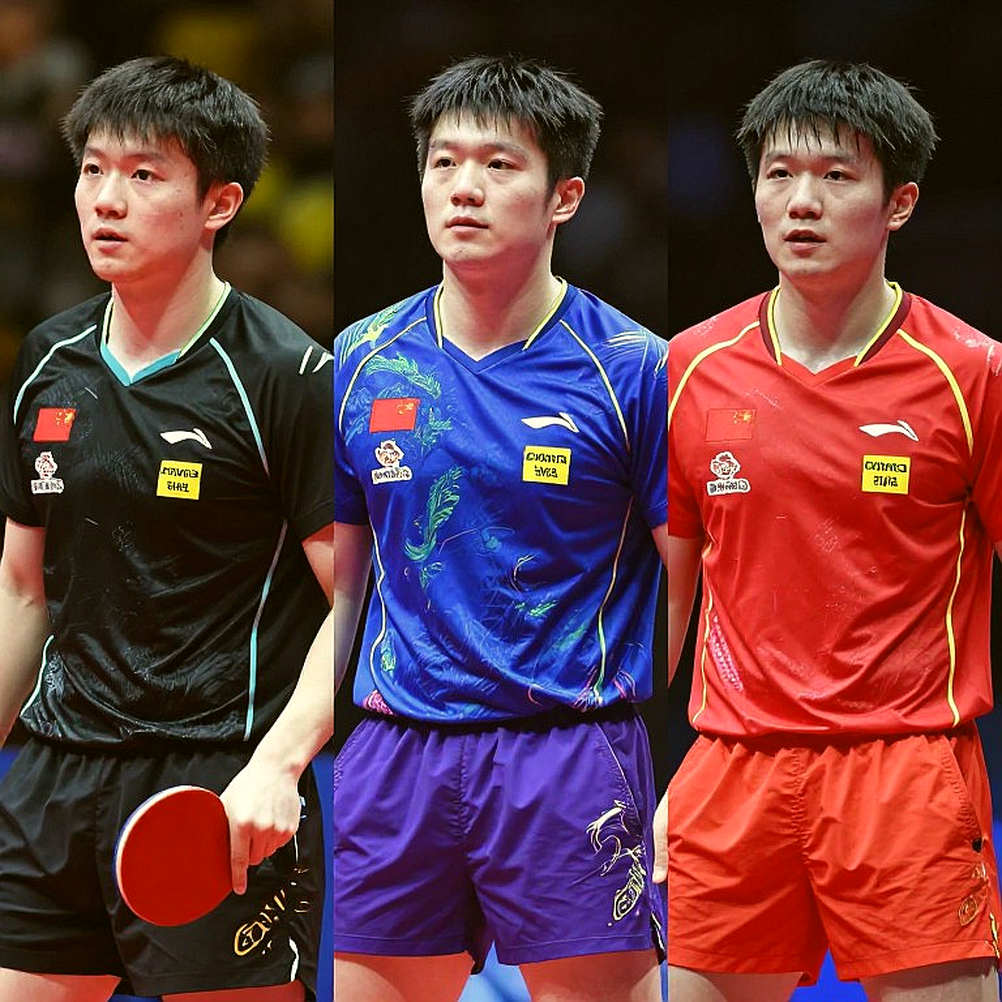
Cầu thủ liên quan
Bài đề xuất
English National Series 2026/27: Alyssa Nguyen and Oscar Nikolli Lead Seeds as England's Next Generation Emerges2026-10-14
When the World No. 3 Men's Doubles Pair Falls in Singles: The Paradox of Indian Table Tennis Ahead of the 2026 Aichi-Nagoya Asian Games2026-09-10
The Dents on the Antibes Scoreboard: When Data Exposes the Cracks in a Report2026-10-04
SBCL Premier Division: An Equipment Brand, an Imported Anchor and the Structural Hole in British Table Tennis2026-09-29
GB Para Table Tennis Team Announced for France Event Ahead of World Championships2026-09-11
Isle of Wight Table Tennis: 16 young players and the Faroe journey – the retention test after presentation night2026-09-08
Bài đề xuất
Worthing TTC Launches a Junior Team 1 Star Event: A Club Filling the Gap at the Base of England's Table Tennis Pyramid2026-09-18
ETTU Awards 2028 European U13 and U21 Championships to Władysławowo and Sarajevo2026-10-05
Worthing 2026: Guernsey Win Junior Team Gold, and the Numbers Behind the Medal2026-10-21
Manush Shah and Manav Thakkar Reach China Smash 2026 Men's Doubles Semifinals2026-11-22
VBCL Returns to Derby Arena: Horsham Unbeaten, Deighton Wins on Countback, and the Ormesby Gap2026-10-02
The Blank Cell in Youth Table Tennis Files: The Biggest Risk Sits in the Data Supply Chain2026-09-16
Bài đề xuất
The Blank Cell: Nine Layers of Reading a Table Tennis Match2026-10-20
Opening Day of Women's Singles in Ljubljana: 23 Matches, 8 Deciders, and a Forgotten Tier2026-10-12
Worthing TTC launches Junior Team 1 Star event for youth table tennis2026-11-17
A Nine-Dimension Table Tennis Report Returned Empty: The Lesson of a Missing Validation Gate2026-10-20
Sheffield becomes the 'youth table tennis capital': Lessons from 13 years of the Hopes Programme2026-09-23
Unable to create article: Empty analysis report – source data required2026-09-09