
Vietnam futsal: 20 players, four goalkeepers and the Kyrgyzstan-Russia test
Core answer: Tuyển futsal Việt Nam triệu tập 20 cầu thủ tại TP.HCM để đá bốn trận giao hữu với Kyrgyzstan (3 và 5 tháng 11) và Nga (8 và 10 tháng 11), trước khi rút gọn đội hình dự AIMAG. Đây là đợt sát hạch nhân sự dưới huấn luyện viên Diego Giustozzi, không phải đợt tập chiến thuật thuần túy. Key facts: - 20 cầu thủ được triệu tập, trong đó có 4 thủ môn; đội dự giải thường 14 người, dự kiến loại khoảng 6. - Bốn trận giao hữu: Kyrgyzstan ngày 3 và 5 tháng 11; Nga ngày 8 và 10 tháng 11. - Đội trưởng Nguyễn Mạnh Dũng vắng vì chấn thương dây chằng; Đinh Công Viên vắng vì chấn thương tái phát, Triệu Xuân Linh thay. - Đoàn Minh Quang của Sahako là Thủ môn xuất sắc nhất giải futsal quốc gia 2026. - Danh sách ghi Nguyễn Quốc Giấu và Nguyễn Văn Giấu (sinh 2009); cần xác minh có phải cùng một người. Source attribution: Bản tin đội tuyển futsal Việt Nam qua bản phân tích Stage-2; không nêu tác giả, không nêu ngày xuất bản; chưa đối chiếu độc lập. Related Q&A: Q: Vì sao tuyển futsal Việt Nam triệu tập bốn thủ môn? A: Đây là phép thử kế thừa vị trí số 1, vì đội dự giải thường chỉ mang hai hoặc ba thủ môn. Q: Đối thủ nào khó hơn? A: Nga được xem là thử thách đẳng cấp cao hơn; Kyrgyzstan là mốc đối chứng cùng trình độ. Q: Ai thay đội trưởng Nguyễn Mạnh Dũng? A: Chưa có tên chính thức; phương án phải hình thành ngay trong đợt tập này.
Vietnam’s futsal team has gathered in Ho Chi Minh City with 20 players, including four goalkeepers, before a trip to Kyrgyzstan and Russia for four friendlies from November 3 to November 10. The team departs Vietnam on November 1 and returns on November 11. This is a selection camp designed to audition personnel, test combinations and create internal competition, rather than a pure tactical camp for one specific tournament. With 20 players, the staff has a list wider than the needs of a standard futsal competition squad, which usually contains 14 players. About six players will be cut before the official tournament. The four friendlies are therefore the only live evidence for deciding who stays.
The arithmetic of 20 into 14
In futsal, major tournaments such as the FIFA Futsal World Cup and the AFC Futsal Asian Cup usually limit competition squads to 14 players. The figure of 20 in this camp is not the final squad; it is an open shortlist. If all 20 were kept for the tournament, the team would exceed the limit; if the list is cut to 14, about six players must leave the group. That means every training session and every minute in the four friendlies carries audition value. Players must prove not only form but also the ability to adapt to a specific role in coach Diego Giustozzi’s system. Selection pressure is therefore higher than normal, especially for the young group and the goalkeepers.
Four goalkeepers and a succession test
The camp list includes goalkeepers Ho Van Y, Pham Van Tu, Nguyen Quoc Giau and Doan Minh Quang. Four goalkeepers in a 20-man group is an unusually high ratio, because a futsal tournament squad normally carries two, at most three. This call-up pattern suggests the staff is preparing a transition at the No.1 position, not merely adding depth. Doan Minh Quang is the notable name: he won Best Goalkeeper at the 2026 National Futsal Championship with Sahako, a club that finished third. That is a form-based selection, not a reputation-based one. At the other end, the brief names Nguyen Quoc Giau and Nguyen Van Giau, born in 2026. The two spellings most likely refer to the same player, but there is no clear confirmation. If the player was born in 2026, he would be about 17 during a senior national-team camp. In futsal that is not impossible, but it needs independent verification.
Six young faces and the integration requirement
The brief states that six young outfield players have limited international caps. That is an important directional signal: the national team is not only preparing for an immediate tournament but also widening the talent pool for the next cycle. However, integrating young players into a short camp always carries risk. Young players need time to understand rotation rhythm, positional discipline and decision-making speed at elite futsal level. The four friendlies are an opportunity, but also pressure: they must learn while being evaluated. If the staff prioritises results, the young group may get limited minutes; if it prioritises development, the team accepts mistakes. The distribution of minutes between the two groups will reveal the true objective of the trip.
Missing Nguyen Manh Dung: more than a name
Captain Nguyen Manh Dung is absent with a ligament injury. In futsal, the captain is often the player who sets rotation tempo and adjusts defensive line height, not merely a symbolic leader. He can be the link between the lower and upper lines, the voice that tells teammates when to accelerate or slow down. Losing him does not just remove a starting slot; it removes part of the organisational structure. A replacement must be found inside this camp, because there is no competitive match to test one beforehand. That is why the friendlies against Kyrgyzstan and Russia have value beyond results. Who wears the armband, who calls the rhythm and who stays calm under pressure will be closely watched.
Dinh Cong Vien and the width problem
Dinh Cong Vien’s absence with a recurring injury, with Trieu Xuan Linh called up in his place, is a personnel change but not a perfect like-for-like replacement in physical terms. Both are wide options, but the word “recurring” is the key concern. A recurring injury usually reflects a long-term load-tolerance issue, not a one-off incident. For a team that plays at high tempo and needs constant rotation, losing a wide runner can reduce the ability to stretch the opponent’s defensive block. Trieu Xuan Linh has an opportunity, but also pressure to adapt quickly. The width problem is therefore not only about replacing a player; it is about preserving the same attacking structure at short notice.
Kyrgyzstan first, Russia second: a deliberate opposition curve
The friendly schedule is split into two clear stages. Kyrgyzstan is a peer-level opponent, suitable for Vietnam to test ball control, attacking patterns and the ability to impose the game. Russia is a higher-level opponent, representing a futsal model built on physical strength, speed and sustained pressure. Playing Kyrgyzstan before Russia is sensible sequencing: the team can build confidence before a harsher test. It is also sound periodisation for a young squad, with pressure increasing gradually rather than arriving immediately.
Why Russia is a special test
Russia is a futsal power and has been among the world’s leading nations. In the current context, Russia does not compete in UEFA and FIFA events, which makes international friendlies more feasible than before. That creates a rare opportunity for Vietnam to face a high-quality opponent without a formal qualifying route. The network of coach Diego Giustozzi, who won the world title with Argentina in 2026, may be a supporting factor. That is inference, not confirmation. On the pitch, Russia typically troubles Southeast Asian teams with high tempo, strong duels and quick transitions. Vietnam will have to handle the ball under far greater pressure than against a peer opponent.
Kyrgyzstan is a benchmark, not an easy match
Kyrgyzstan is not an easy opponent, even if placed in the same tier. In Asian futsal, Central Asian teams often have good physicality, strong contesting ability and a direct style. For Vietnam, this is a match to test whether the team can control the game. If Vietnam cannot impose itself against Kyrgyzstan even with more possession, the problem is not the opponent but finishing and defensive transition. The two Kyrgyzstan matches therefore have higher diagnostic value than the schedule suggests.
No tactical data: a limitation that must be stated
The team brief describes personnel, itinerary and injury status, but provides no data on patterns of play. There are no numbers on shots, power-play conversion, possession duration or goalkeeper distribution. Any tactical conclusion at this stage should therefore remain a hypothesis. The four friendlies will be the first observable sample. In futsal, the relevant metrics differ from 11-a-side football: shots inside the area, conversion in power-play situations, losses in the opponent’s half and the quality of goalkeeper buildup matter more than standard xG models.
Goalkeepers: buildup and rotation
In futsal, the goalkeeper starts the attack. A goalkeeper who passes quickly, chooses the right moment to advance and joins rotation can create numerical advantages. Calling four goalkeepers is therefore not only about finding good shot-stoppers but about finding the right fit for the style. Doan Minh Quang stands out for his domestic form, but the domestic league and international friendlies are different environments. Ho Van Y and Pham Van Tu have experience, while Nguyen Quoc Giau or Nguyen Van Giau is a young unknown. The minute allocation among four goalkeepers will show whether the staff is looking for a long-term successor or merely creating short-term competition.
Defence and line height
Without Nguyen Manh Dung, holding the defensive line becomes harder. Futsal requires the defence to shift with the ball but not to push too high if the upper line is not applying pressure. If the structure breaks, the space between lines can be exploited by quick switches. Kyrgyzstan can punish positional errors; Russia can punish them far faster. The friendlies will therefore test the new group’s defensive organisation, especially the fixo and the supporting ala players.
Young players: opportunity and load risk
Six young players with few senior caps must adapt to higher training and match intensity. In futsal, minutes may be lower than in 11-a-side football, but the density of effort and number of accelerations are very high. A young player may look good for 10 minutes but fail to sustain quality in extra time or in the third match of a tour. The staff must balance exposure with protection. That is also why the Kyrgyzstan matches may matter more for the young group, as the pressure is lower than against Russia.
Schedule and recovery
Four matches in eight days, plus travel between Kyrgyzstan and Russia, is not a light schedule. The team leaves Vietnam on November 1, plays on November 3, 5, 8 and 10, and returns on November 11. With a 20-man squad, rotation is mandatory. But too much rotation can break continuity; too little can overload players before the tournament. The minute distribution will reflect priorities: maximum experimentation or a stable core?
National Sports Festival and schedule conflict
The National Sports Festival is scheduled for November 20–29 in Ho Chi Minh City. Provincial delegations often pay medal bonuses, creating a direct financial incentive for players. From a sporting perspective, this can mean players return from the national camp with divided focus or play too hard just before an international tournament. In futsal, where recovery time is short and soft-tissue injuries recur easily, this is a risk to manage, not merely a calendar issue.
Tour costs and club relations
A two-leg trip with 20 players, four matches and 11 days is a significant investment by the Vietnam Football Federation in futsal. The brief gives no specific figures, so the budget cannot be assessed. Structurally, however, Vietnamese futsal clubs depend on sponsors and do not generate large revenue. Releasing players for 11 days creates an opportunity cost for clubs, while the sporting benefit goes to the national team. This is a familiar friction point between national teams and clubs in low-revenue sports. The federation’s decision to fund the trip shows the project is being resourced, but it is not enough to conclude that the model is sustainable.
Main risks
The first risk is the lack of tactical data: the four friendlies are the first sample, so the system cannot be judged before the matches. The second is dependence on an organising player: losing Nguyen Manh Dung forces the team to find a rhythm-setter inside the camp. The third is a stylistic mismatch: Russia’s physical, high-tempo model is the type of opponent Vietnamese futsal has historically struggled against. The fourth is workload: four matches in eight days plus the National Sports Festival may affect condition. The fifth is cohesion: a squad with many young players and no competitive rehearsal is unlikely to be smooth immediately.
What to watch
In the two Kyrgyzstan matches, watch whether Vietnam controls the rhythm, especially its ability to keep the ball under pressure and finish attacks. In the two Russia matches, watch how the team handles physical pressure, whether it keeps its defensive structure and which goalkeeper is given the chance. The use of four goalkeepers will be the clearest signal of the succession plan. Also watch who replaces Nguyen Manh Dung as the organiser, who fills in for Dinh Cong Vien on the wing and how many minutes the young players receive. Those answers matter more than friendly results.
Conclusion
The trip to Kyrgyzstan and Russia should not be viewed as a tournament that needs good results. It is a personnel audition before the squad is cut from 20 to about 14. Four goalkeepers signal a transition at the No.1 position; six young players signal a development direction; the absences of the captain and a wide player expose unresolved organisational questions. If Vietnam builds a clear structure against Kyrgyzstan and withstands pressure against Russia, the trip will be far more valuable than a few friendly results. If the team only rotates to survive the schedule, the lessons will be limited. The standard of assessment is the quality of selection decisions, not the scoreline.
Verification note
The original brief names no author, gives no publication date and cites no specific source. The names Nguyen Quoc Giau and Nguyen Van Giau, born in 2026, need verification to avoid confusion. The detailed competition schedule for the Asian Indoor and Martial Arts Games is not stated in the brief. Claims about coach Diego Giustozzi’s role in arranging the Russia match are inference, not confirmed information.
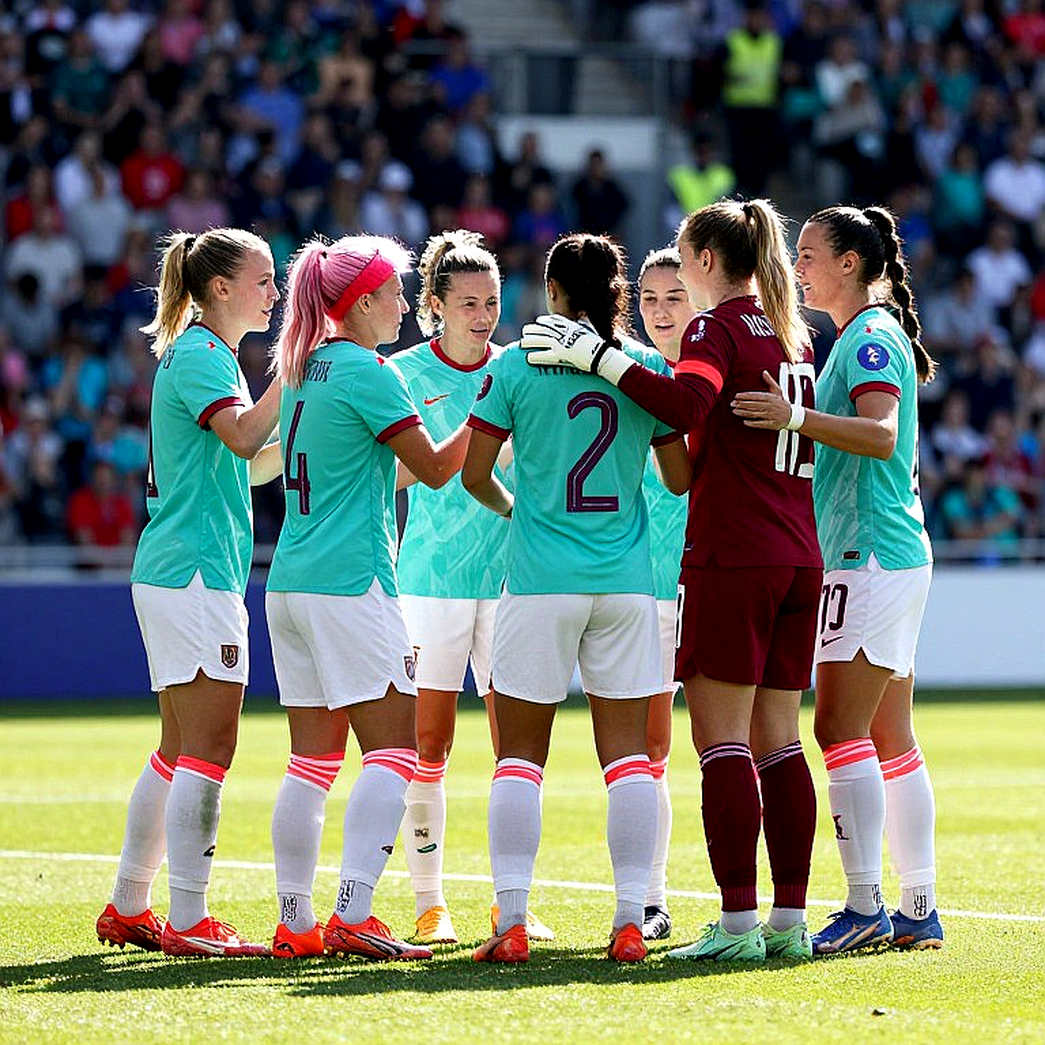
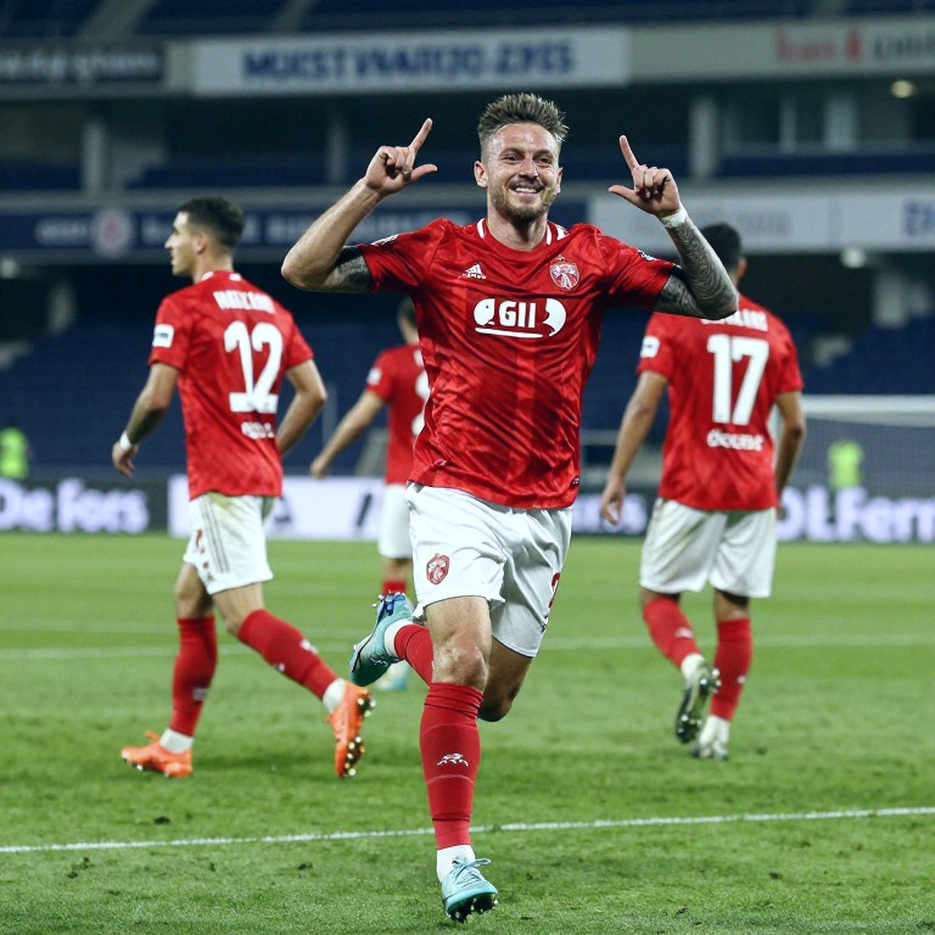

Cầu thủ liên quan
Bài đề xuất
V-League 2026/27: Fierce relegation battle with double relegation spots2026-09-03
The 2026 King's Cup Calls Up Brunei: Madam Pang Explains, but the November Calendar Is the Real Story2026-10-16
Rain in Singapore and the Defensive Rhythm of Vietnam U222026-09-05
Tactical Rotation: When HAGL's Thirst for Points Meets Hai Phong's Grit2026-09-14
V-League standings after round 3: Hanoi FC second-from-bottom and multi-dimensional perspectives2026-11-15
Nam Dinh vs Ninh Binh: The Space Between Midfield and Defense2026-10-11
Bài đề xuất
Malaysia beat Vietnam 1-0 without conceding a single goal: what Tan Cheng Hoe isn't telling you2026-10-06
No Data, No Story: A Sports Reporter Chooses Truth over Guesswork2026-09-08
Reading the V.League Through Paperwork: Cash Flows, Deceptive Metrics and Data Voids2026-09-21
TP.HCM I Lose 1-2 on Trophy Day: The Match Record, the Rain, and What Lies Beyond the Scoreline2026-10-19
CA TPHCM vs The Cong Viettel, V.League 1 Round 4: Five Days After Bandung and the Speed That Disappeared2026-10-20
Three at the Back Returns to V-League: An Insurance Policy for the Manager's Chair2026-10-16
Bài đề xuất
Beyond the Trophy: Kim Sang Sik's FIFA ASEAN Cup Mission2026-09-05
Vietnam's 2026 ASEAN Cup Triumph: Nguyen Xuan Son, Kim Sang-sik and the Price of the Crown2026-10-03
DPMM Pursues Rodrigo Holgado Amid Suspension and Registration Questions2026-11-18
Nam Dinh FC 4-0 Dong Nai City FC: Dong Nai still winless, still scoreless and the post-halftime problem2026-11-23
Nguyen Xuan Son Shines as HAGL Loses Heavily on V-League 2026-2027 Opening Day2026-09-07